Mommy makeover: post-pregnancy plastic and reconstructive surgery
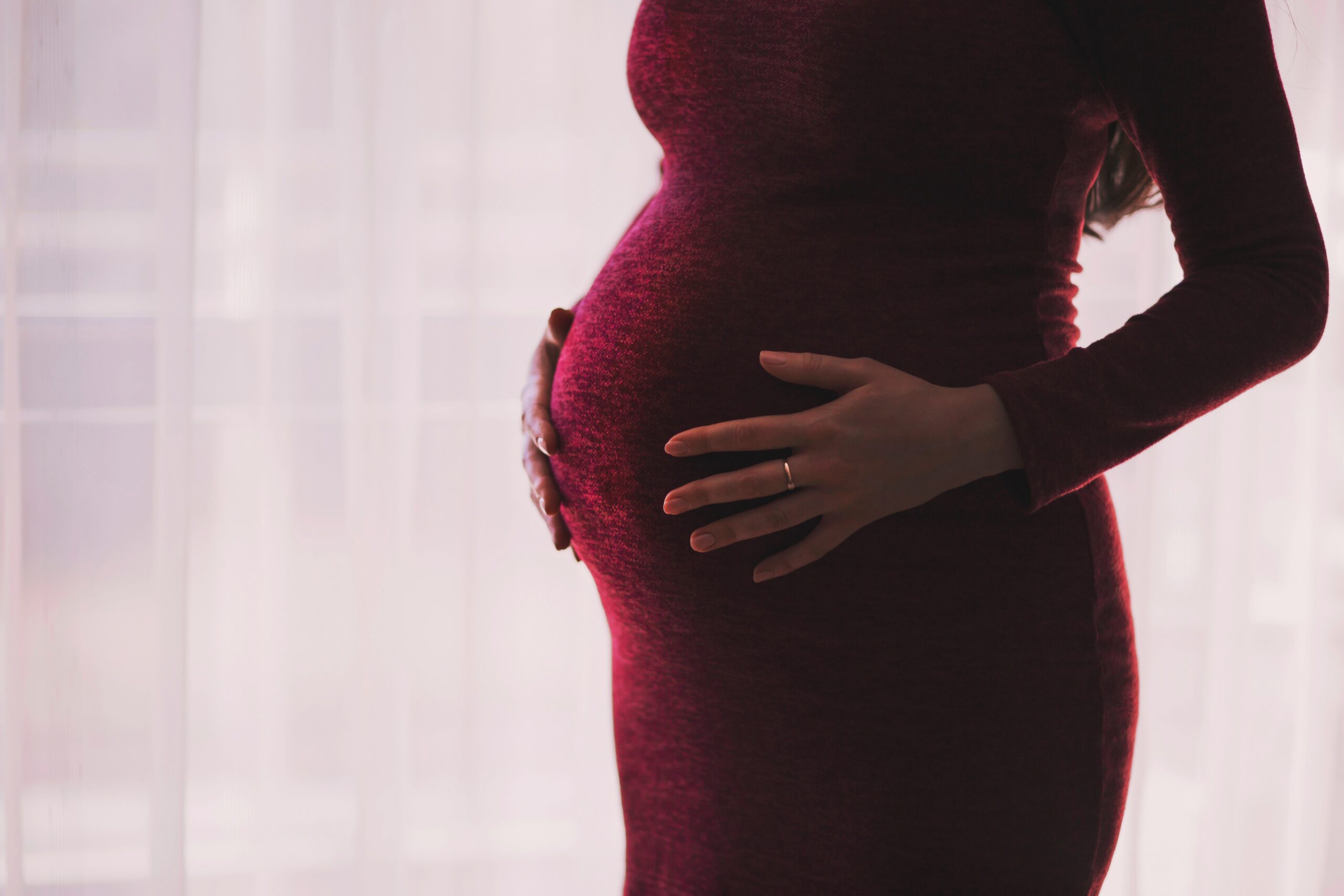
After giving birth, the bodily changes caused by pregnancy and breastfeeding — a slack belly, localised fat deposits, sagging breasts or stretch marks — can sometimes be hard to overcome. More and more young mothers, eager to restore their body contour, turn to the mommy makeover: this is a combination of plastic surgery procedures performed in a single session to correct the after-effects of pregnancy on the belly and breasts at the same time. The programme is tailored to each patient’s needs and makes it possible to restore a harmonious body contour in a single procedure, under a single anaesthetic and with a single recovery period. What exactly does this post-pregnancy surgery involve? Who is it for? What are the risks, the price and the recovery? Here is everything you need to know before considering a mommy makeover.
Contents
What does a mommy makeover involve?
A mommy makeover is a surgical procedure that combines several specific procedures across different areas of the body to restore a harmonious body contour after pregnancy. Sometimes referred to as a « post-childbirth package » by its critics, it can include in particular an abdominoplasty (or tummy tuck), targeted liposuction, breast augmentation or a breast lift, depending on each patient’s aesthetic concerns after giving birth. The aim of this procedure is therefore not to make you lose weight but rather to give your body a slimmer, more harmonious appearance, close to your pre-pregnancy body contour.
The distinctive feature of the mommy makeover lies in its « all-in-one » logic. The American Society of Plastic Surgeons describes it as a procedure most often performed in a single operative session: rather than going through several operations spread over many months, the necessary steps are grouped into a single procedure. The patient therefore only has one general anaesthetic, one hospital stay and one recovery period to organise, which is often easier to fit around life as a young mother.
Why opt for this approach?
While the experience of motherhood is unmatched and enriching for most women, the physical changes that come with pregnancy can be very hard for some to come to terms with. Among the most common bodily changes that lead many women to consider a mommy makeover after pregnancy or breastfeeding are:
- sagging of the fat and skin of the breasts;
- the appearance of « emptied » breasts as a result of breastfeeding;
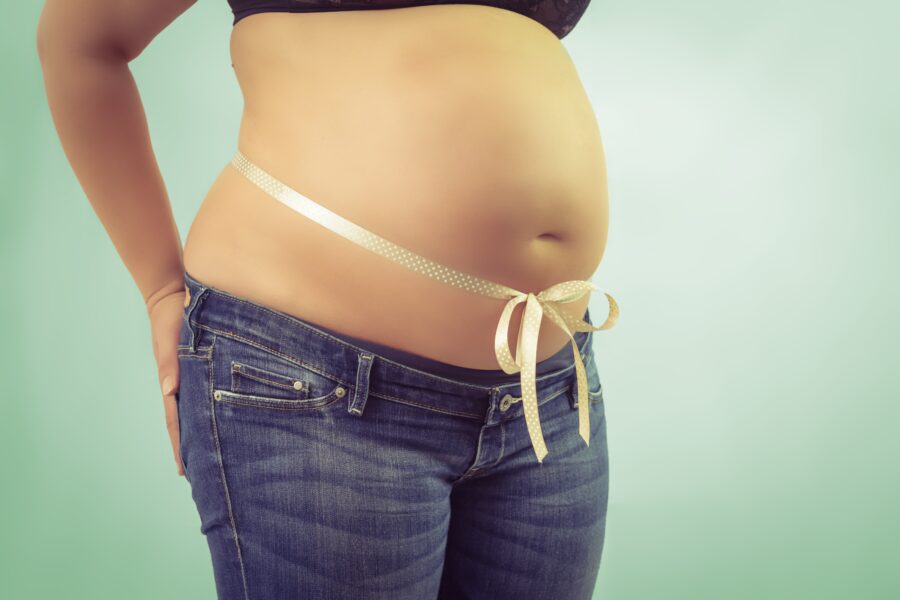
- slackening of the abdominal wall and especially of the lower belly;
- the appearance of stretch marks on the abdomen, thighs or saddlebags;
- localised fat deposits in various areas of the body.
More and more women therefore choose to undergo a combination of procedures across different areas in order to globally rebalance their body contour. The most common combination is to operate on the belly and breasts at the same time, but it is also sometimes possible to add intimate surgery procedures (a labiaplasty in particular) or even buttock surgery (a buttock lift to reshape the buttocks, for example) by reusing the fat that has been harvested.
Who is the mommy makeover for?
The ideal candidate for a mommy makeover is a woman who is in good general health, no longer planning a pregnancy and whose weight has been stable for several months. A new pregnancy would once again slacken the abdominal wall or change breast volume: it is therefore best to have completed your family plans before considering the procedure, otherwise its benefit may be lost.
It is also recommended to have returned to a weight close to your ideal weight: the mommy makeover corrects the skin and fat after-effects of pregnancy, but does not replace prior weight loss. Patients close to their stable weight achieve results that are both more lasting and more harmonious. Finally, stopping smoking a few weeks before and after the operation is required, because smoking delays healing.
Contraindications to the mommy makeover
The mommy makeover, like any other type of surgical procedure, has contraindications. Underlying conditions such as heart, lung or kidney disorders represent a real danger to the patient and are therefore factors the surgeon must take into account before considering the operation. Being overweight also gives rise to an increased risk of phlebitis, haemorrhage or infection, which are far from negligible for combined procedures. Other preoperative blood abnormalities may also be a contraindication.
The psychological aspect must finally be considered by the surgeon, who has to make sure that the patient does not have unrealistically high expectations or suffer from body dysmorphic disorder, focusing on minor flaws. This risk is all the more present with this combination of procedures, since the patient may be tempted to add an unnecessary step to the combined procedure (the « in for a penny, in for a pound » effect).
Which procedures are performed?
Most of the procedures carried out as part of a mommy makeover relate to the abdominal region or the breasts. There are also, more marginally, intimate surgery procedures that may be requested and integrated into the procedure depending on the case.
Liposuction
Many women have to deal with weight gain during their pregnancy, and certain areas of the body cannot regain their pre-birth firmness despite a healthy lifestyle or regular exercise. Liposuction is a way of removing localised fat deposits in a targeted way through suction, mainly on the belly, but also in other areas such as the thighs, hips or saddlebags. Liposuction is fairly minimally invasive and leaves minimal, almost invisible scars that fade quickly.
Abdominoplasty
After giving birth, slackening of the abdominal muscles and stretching of the skin can often be seen on the belly. Despite a healthy diet and appropriate physical exercise, it is very hard for the lower belly to regain its natural firmness because of skin laxity. The abdominoplasty (or dermolipectomy) to tighten the belly is then the solution that most effectively treats this excess skin. It makes it possible to tighten abdominal muscles that have been slackened, through diastasis recti repair (particularly after having twins), and to remove any excess skin and fat in the abdominal area through liposuction and a belly lift. The mommy makeover also offers the possibility of softening the marks left by any post-pregnancy stretch marks. When the separation of the muscles is pronounced, surgical treatment of abdominal diastasis recti is an integral part of the procedure.
Breast augmentation
Breast surgery is a very popular type of procedure among women who wish to increase their breast volume or, in our specific case, compensate for a loss of volume following a pregnancy or breastfeeding. This operation consists of either:
- adding breast implants in front of or behind the pectoral muscle;
- or using the patient’s own fat, harvested from another area of the body by liposuction, to reinject it, after processing, into the breasts and thus reshape the breasts (breast augmentation through breast lipofilling);
- both options can also be considered together with the dual plane technique.
Breast augmentation can only be performed at least 6 months after giving birth or after the end of breastfeeding.
Breast lift
Many bodily changes can occur during pregnancy, including in particular a decrease in volume and a loss of fullness of the breasts, mainly due to the contraction and expansion involved in milk production. The breast lift (or mastopexy) to lift a sagging chest then makes it possible to remove the excess skin and give sagging breasts (« emptied » chest) a more harmonious shape. It can also be combined with an increase in volume if needed.
Conversely, some women see their breasts grow relatively significantly during pregnancy without ever fully losing this new volume. This new chest can then become a burden, with back problems or mobility issues in particular. It is then possible to include a breast reduction to decrease breast volume and restore the overall balance of the body contour; some patients take the opportunity to look into its insurance coverage in France.
Patients planning to have more babies in the future must, however, wait before undergoing this type of surgery (both lift and breast reduction), otherwise they risk losing all the benefits of the procedure at the next pregnancy.
How a mommy makeover is carried out
The mommy makeover must be performed under general anaesthetic, given that the multi-area procedure does not allow for a local anaesthetic as may be the case for certain procedures carried out separately.
A combined surgical procedure can also potentially be more delicate if appropriate safety measures are not put in place. These rules include in particular a reasonable operating time, most often limited to 4 to 5 hours, proper assessment of the risk of bleeding by the surgeon, as well as assessment of the patient’s good general health (no excess weight or intercurrent condition). In addition, normal blood-count and coagulation tests must be carried out before the procedure to detect any potential risk of complications.
A reasonable wait on the patient’s part is necessary before undergoing the mommy makeover. This should preferably be one year after giving birth (4 months at the minimum) and 6 to 9 months after the end of breastfeeding, to allow the weight and the breasts to stabilise.
Recovery and post-operative recovery
Because it groups together several steps, the mommy makeover calls for a recovery that is a little more closely supervised than for an isolated procedure — but only one, not several. On leaving the operating room, a compression garment (abdominal compression garment and support bra) is fitted: it supports the operated areas and limits swelling, as the American Society of Plastic Surgeons points out. Drains may be placed for a few days to evacuate fluid, and the patient is given pain treatment.
In the first few days, bruising, swelling and a feeling of tightness are normal. The return to daily activities happens gradually, generally in two to three weeks for light activity, with physical exertion and sport resumed later on the surgeon’s advice. Healing itself continues for several weeks, as the swelling goes down and the body contour reshapes; the final result can be assessed after several months. Wearing the compression garment for a few weeks and following the guidelines (rest, no lifting, scar monitoring) largely determine the quality of the final result. For the recovery specific to each step, our detailed articles on recovery after an abdominoplasty and the compression garment after liposuction provide concrete reference points.
Mommy makeover: before & after and results
The benefit of the mommy makeover is to treat several areas in one go, which gives a result that is consistent across the whole body contour: a flatter, firmer belly, a redefined waist, and a lifted, reshaped chest. Before & after comparisons mainly highlight this overall rebalancing, whereas separate procedures correct one area at a time.
The result is not immediate, however: it reveals itself as the swelling subsides, over several months, as the scars fade. The scars, which are unavoidable (particularly for abdominoplasty and the breast lift), are placed in areas hidden by underwear and fade over time. To judge a before & after, it is better to compare photos taken some time after the procedure, once the body contour has stabilised — and to bear in mind that each result depends on the starting morphology, the quality of the skin and adherence to the post-operative guidelines.
How much does a mommy makeover cost?
The cost of a mommy makeover actually depends on the number of areas treated and the type of procedure performed. It can therefore fall within a fairly wide range, between 10,000 and 20,000 euros. The exact price is specified in the personalised quote provided during the consultation, based on the programme defined with the surgeon.
Some procedures carried out as part of a mommy makeover may give rise to partial reimbursement through France’s national health insurance. This is the case in particular for breast reduction when the breasts are too much of a burden (at least 300 grams of breast tissue removed per breast), for abdominoplasty or for diastasis recti repair to treat an abdominal separation following pregnancy, when the abdominal apron hangs down to the pubis and proves particularly disabling. The aesthetic part of the mommy makeover, however, remains the patient’s responsibility.
So do not hesitate to discuss this option with your surgeon before the procedure. Preoperative photos will then need to be sent to France’s national health insurance to estimate the potential coverage.
Frequently asked questions
What exactly is a mommy makeover?+
A mommy makeover refers to a combination of plastic surgery procedures carried out during a single operation to correct the after-effects of pregnancy and breastfeeding. It most often combines a step on the belly (abdominoplasty, liposuction, diastasis recti repair) and a step on the breasts (breast augmentation, breast lift or breast reduction), chosen on a tailored basis for each patient. The aim is not to lose weight but to globally rebalance the body contour in a single procedure.
How long should you wait after giving birth or breastfeeding?+
It is advisable to wait until the body has stabilised: preferably about one year after giving birth (4 months at the minimum) and 6 to 9 months after the end of breastfeeding. This delay gives weight and breast volume time to return to a stable state, a condition for a lasting result. It is also best to have completed your family plans, as a new pregnancy would slacken the tissues again.
How much does a mommy makeover cost in France?+
The price depends on the number of areas treated and the procedures combined. It generally falls within a range between 10,000 and 20,000 euros. The exact price appears in the personalised quote provided during the consultation, once the surgical programme has been defined with the surgeon.
Is a mommy makeover reimbursed by France's national health insurance?+
The purely aesthetic part is not covered. However, certain steps may qualify for partial reimbursement when they meet medical criteria: breast reduction (at least 300 grams of breast tissue removed per breast), abdominoplasty, or diastasis recti repair when the abdominal apron hangs down to the pubis and proves disabling. Preoperative photos are then sent to the national health insurance to assess coverage.
Is a mommy makeover possible after a caesarean section?+
Yes. A previous caesarean section is not a contraindication. Abdominoplasty often makes it possible to revise the caesarean scar and remove the distended skin above it. The surgeon simply adapts the procedure to the existing scar when planning the operation.
How long does recovery take?+
Because several steps are grouped together, recovery is a little more closely supervised than for an isolated procedure, but there is only one. A compression garment (abdominal garment and support bra) is worn for several weeks. The return to light activity usually happens within two to three weeks, with physical exertion and sport later, on the surgeon’s advice. Healing and the resorption of swelling then continue over several months.
Does a mommy makeover carry more risks than separate surgeries?+
Combining several steps lengthens the operating time and requires a strict safety framework. This is precisely why the procedure is reserved for patients in good general health, why the operating time is most often limited to 4 to 5 hours, and why blood-count and coagulation tests are checked beforehand. Carried out under these conditions, the mommy makeover spares the patient from going through several anaesthetics and several recovery periods.
Book an appointment
If you are considering a procedure, book an appointment in just a few clicks: our surgeons will answer all your questions and guide you toward a tailored, personalised solution.
Book on Doctolib