01Liposuction: principle and explanations
Liposuction (or liposculpture) is today the most commonly performed cosmetic surgery procedure in the world, ahead of breast augmentation. With decades of hindsight, liposuction is a reliable and proven method for refining and reshaping certain areas of the body.
Liposuction is suitable for both men and women, has very few contraindications and delivers a permanent, lasting result. It should be noted, however, that it is not a way to lose weight: it is a body-contouring tool.
Liposuction acts on superficial fat, located just beneath the skin (subcutaneous fat), which is responsible for the localised deposits that resist exercise and diet. It has no effect on deep, so-called visceral fat, which surrounds the organs and can only be corrected through lifestyle. This is also why a stable weight guarantees the durability of the result: the fat cells that are removed do not reform in the treated area.
The procedure itself is very straightforward and produces remarkable results: small incisions are made within the natural folds of the skin (navel, groin, pubis) in order to conceal the scars. Micro-cannulas connected to a suction system are then introduced to aspirate the adipocytes using back-and-forth movements. Once the fat cells have been aspirated, the incisions are sutured and protected with dressings to optimise healing.
02Liposuction techniques in Paris
There is not one but several liposuction techniques. During the consultation, Dr Hunsinger chooses the one best suited to your body shape and to the area being treated, always with a view to a natural, understated result.
- i
Gentle liposuction (WAL, water-assisted)a fine jet of water gently detaches the fat cells before they are aspirated, sparing the neighbouring vessels and tissues. Less traumatic, it allows, in some cases, the use of a local anaesthetic and a gentler recovery.
- ii
High-definition liposuction (HD, 4D)it refines the fat as closely as possible to the muscular contours to redraw a sculpted figure, on patients who are already slim and toned.
- iii
Classic tumescent liposuctionthe proven, reference technique: a solution is infiltrated beforehand to facilitate aspiration and limit bleeding.
- iv
Power-assisted liposuction (PAL, micro-air)a vibrating cannula makes the procedure easier on fibrous areas or larger volumes.
03Areas of the body concerned
The effectiveness of liposuction is not limited to the abdominal area or the mid-section of the body. In addition to the stomach, it can treat the fat deposits found in most parts of the body, and even the face. It can be used in particular to treat:
- i
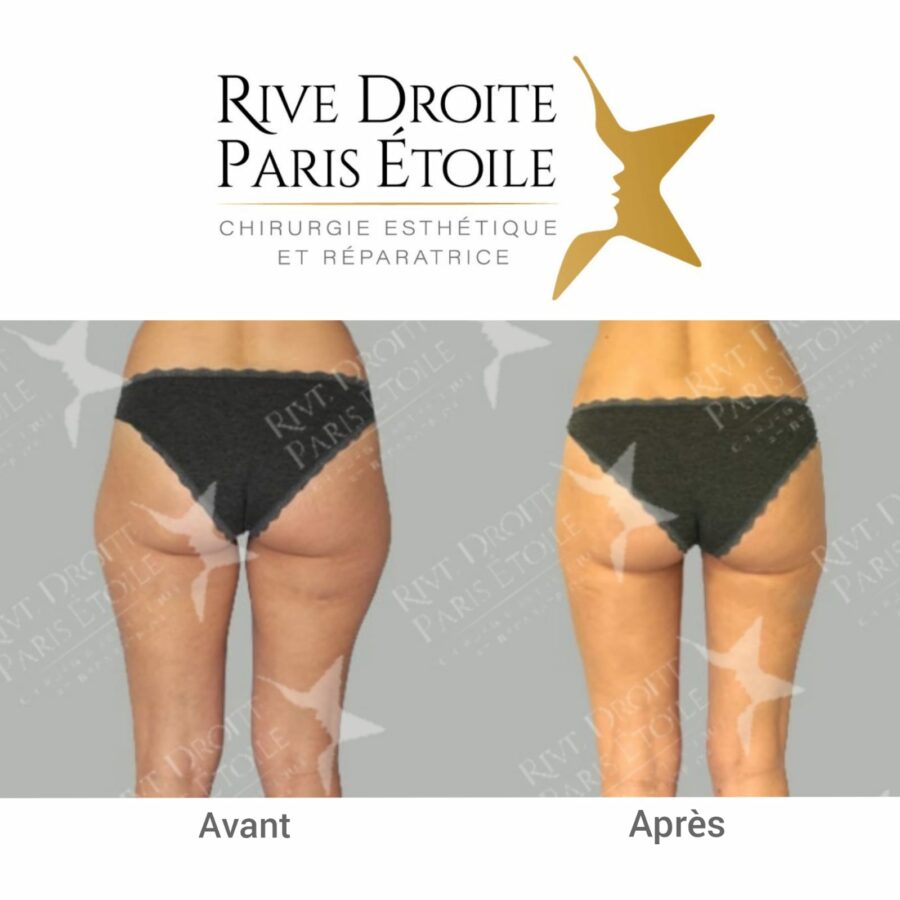
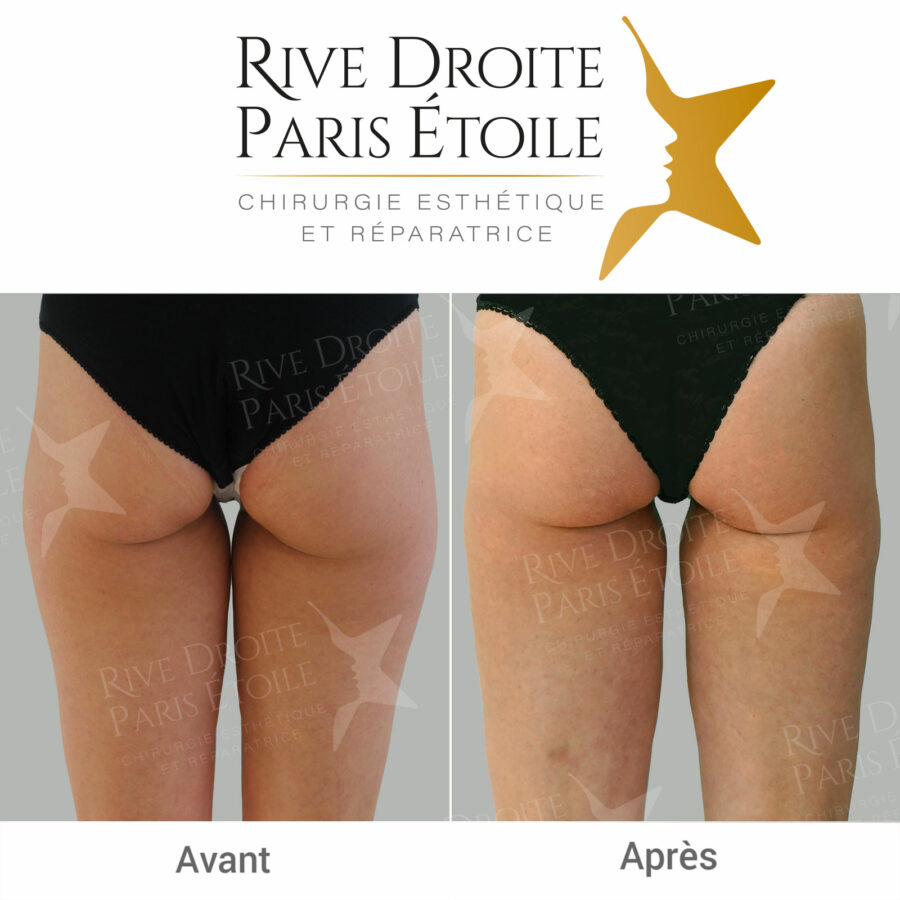
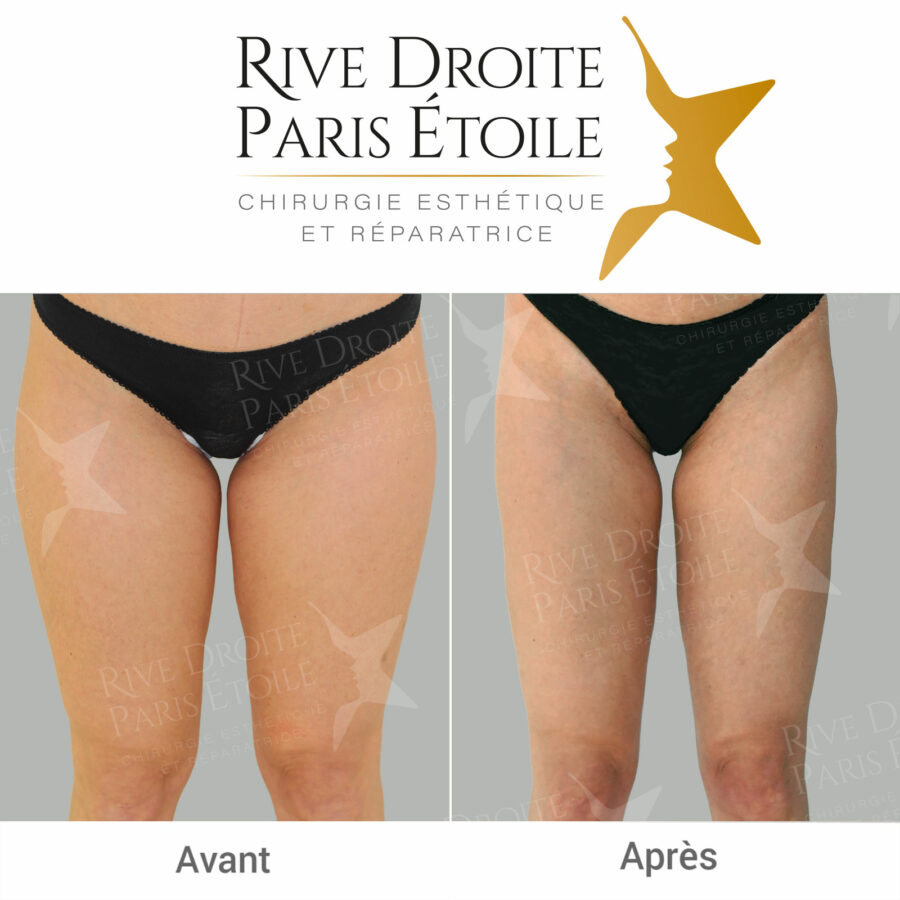
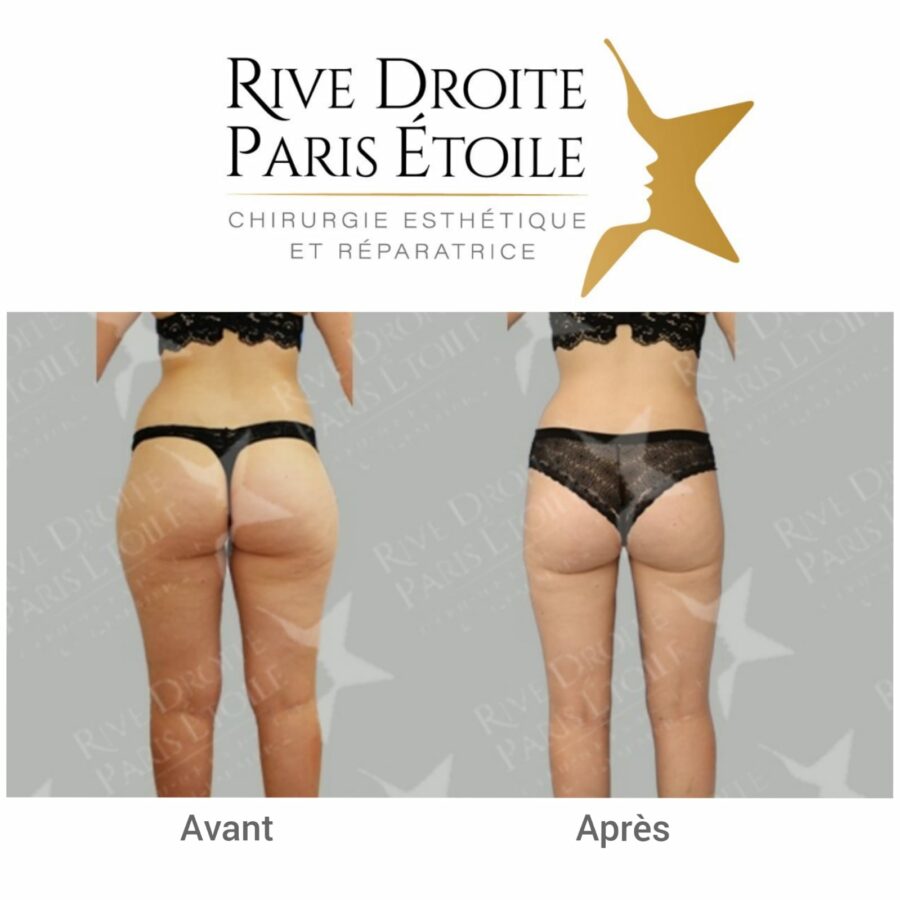
The thighsby removing the fat located beneath the buttocks or at the level of the saddlebags, sometimes alongside a thigh lift (cruroplasty). Liposuction can be performed on the inner as well as the outer thighs.
- ii
The buttocksoften alongside a liposuction of the thighs for a more harmonious redefinition. It can correct sagging buttocks (the banana roll) and improve their curve and fullness.
- iii
The kneesto avoid a puffy, swollen appearance. The skin is very resilient and taut in this area of the body and therefore allows for optimal aspiration.
- iv
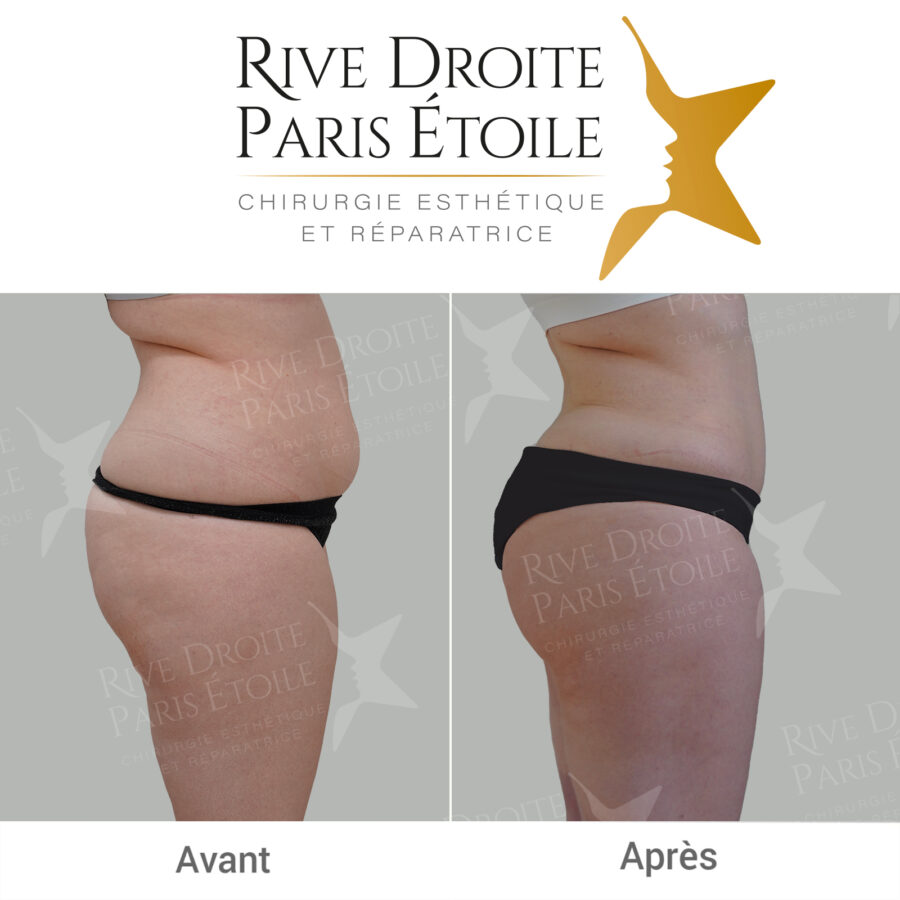
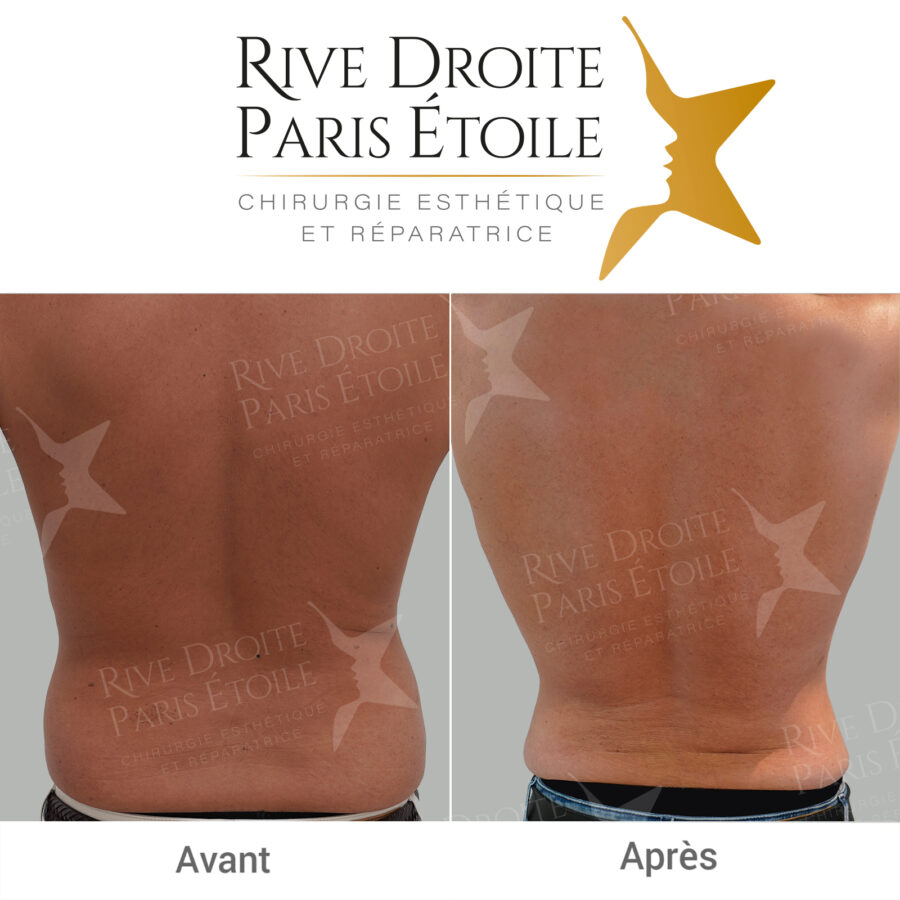
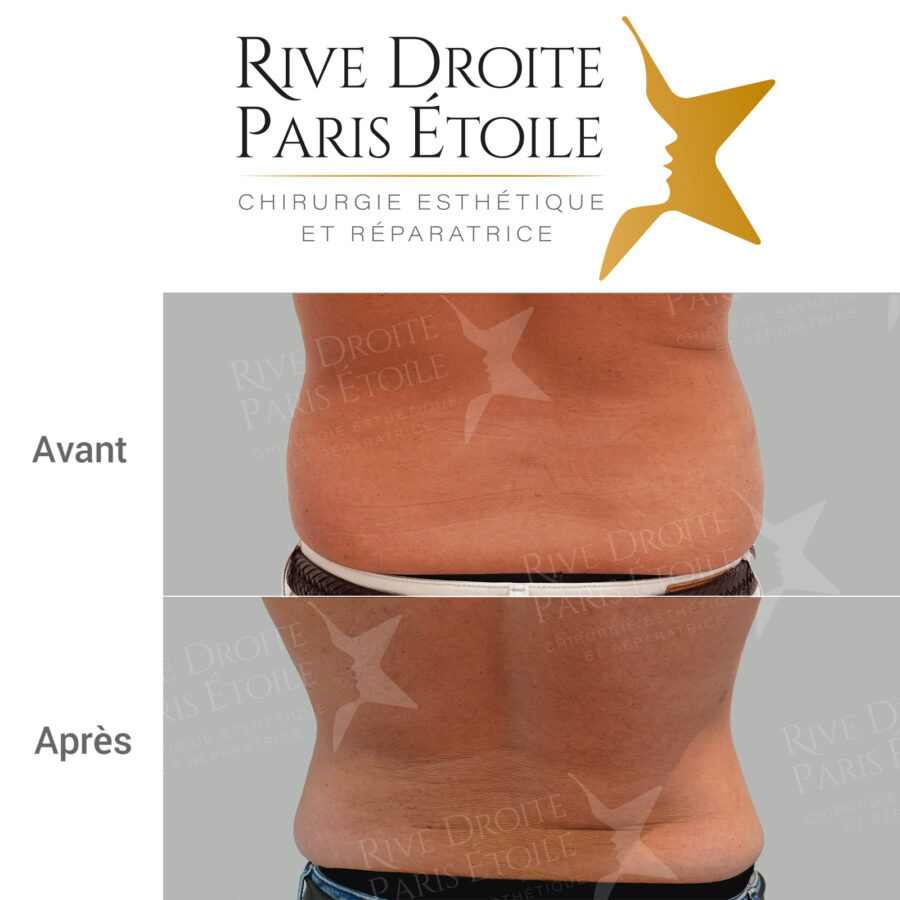
The hipsa procedure at waist level, most often combined with liposuction of the stomach (removal of the love handles).
- v
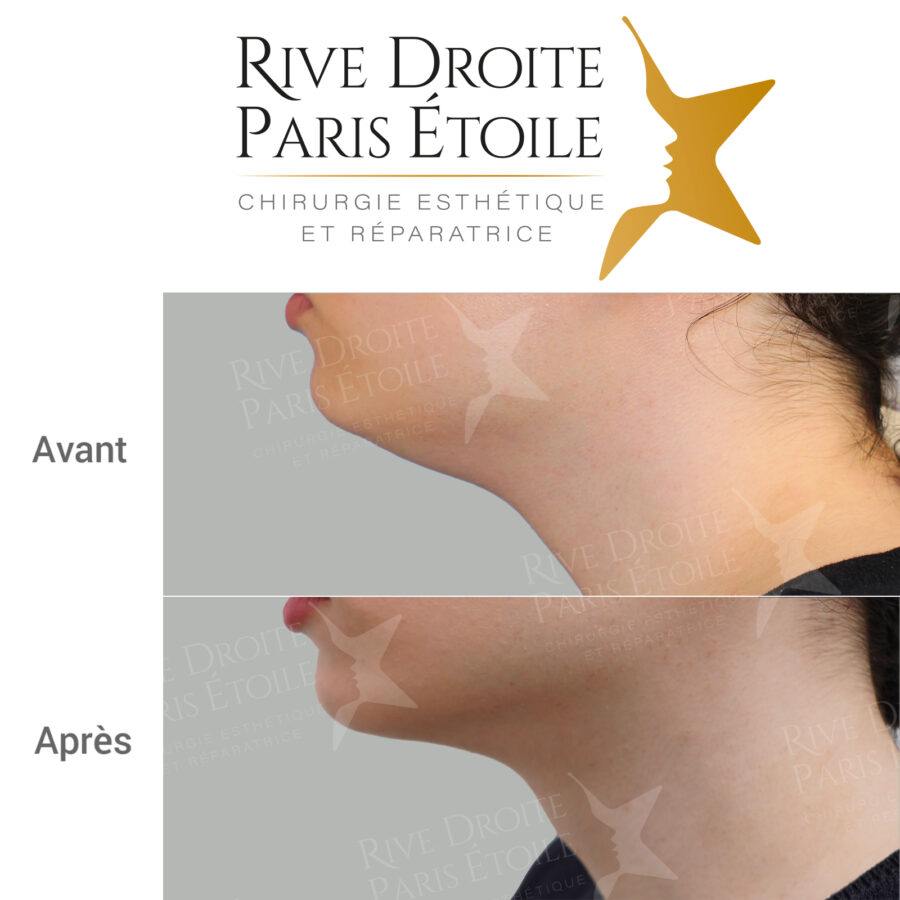
The chinto refine the features, redefine the boundary with the neck and thereby remove a double chin.
- vi
The armsto obtain a more defined, well-shaped contour. Liposuction of the arms must not be excessive, to avoid loosening of the skin on the upper limbs if muscle mass is insufficient. An arm lift (brachioplasty) may be performed where appropriate.
- vii
The anklesin order to slim them down
- viii
The calvesto tackle so-called « tree-trunk legs »
- ix
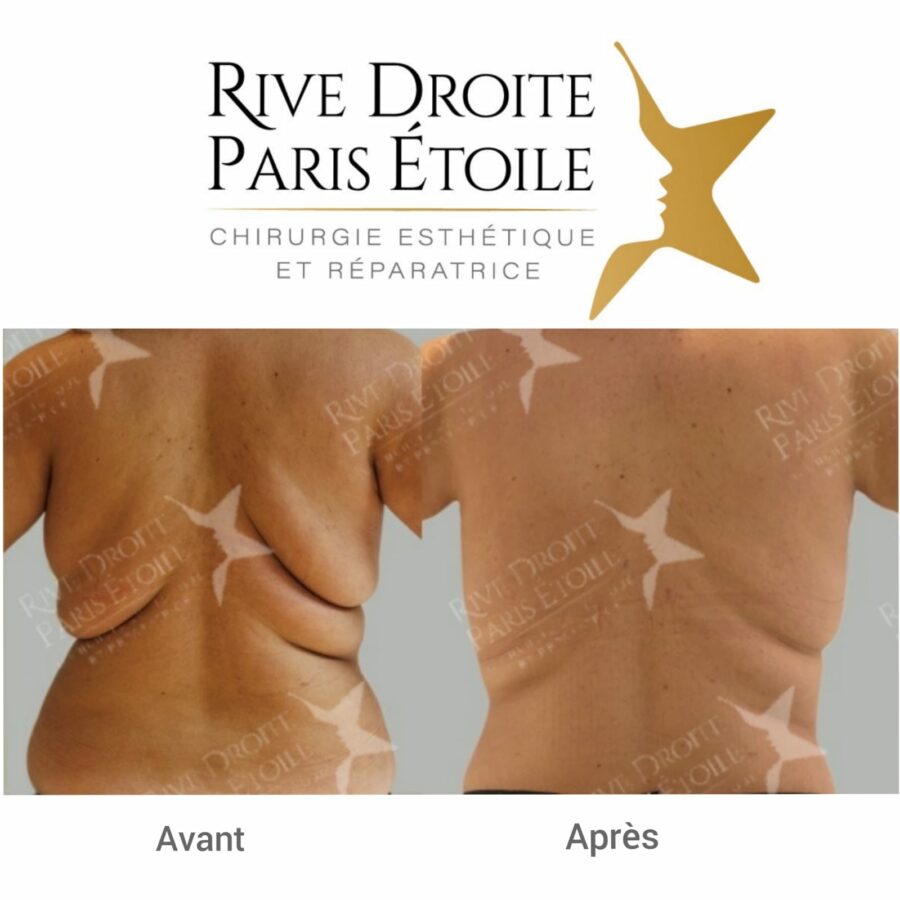
The backin particular to remove the folds at the level of the bra strap
Liposuction therefore offers the possibility of reshaping your body as a whole, according to your needs.
It is worth noting that the cosmetic surgeons of the Rive Droite Paris Étoile practice offer a revolutionary technique to firm and tighten the skin without leaving scars after a liposuction: this is the J-Plasma Renuvion radiofrequency technology.
04Risks and safety
Liposuction is a common and well-codified procedure, but it remains a surgical act. The usual after-effects — bruising, swelling, a sensation of tightness — are temporary and subside within a few weeks. Serious complications remain rare when the procedure is carried out by a qualified surgeon, on reasonable volumes and in a suitable setting.
During the consultation, Dr Hunsinger assesses your medical history, informs you of the risks with complete transparency and declines to operate when the procedure is not indicated. Liposuctions are performed at the Centre Chirurgical des Princes (92), an accredited clinic equipped with a complete technical facility.
05Before / after results
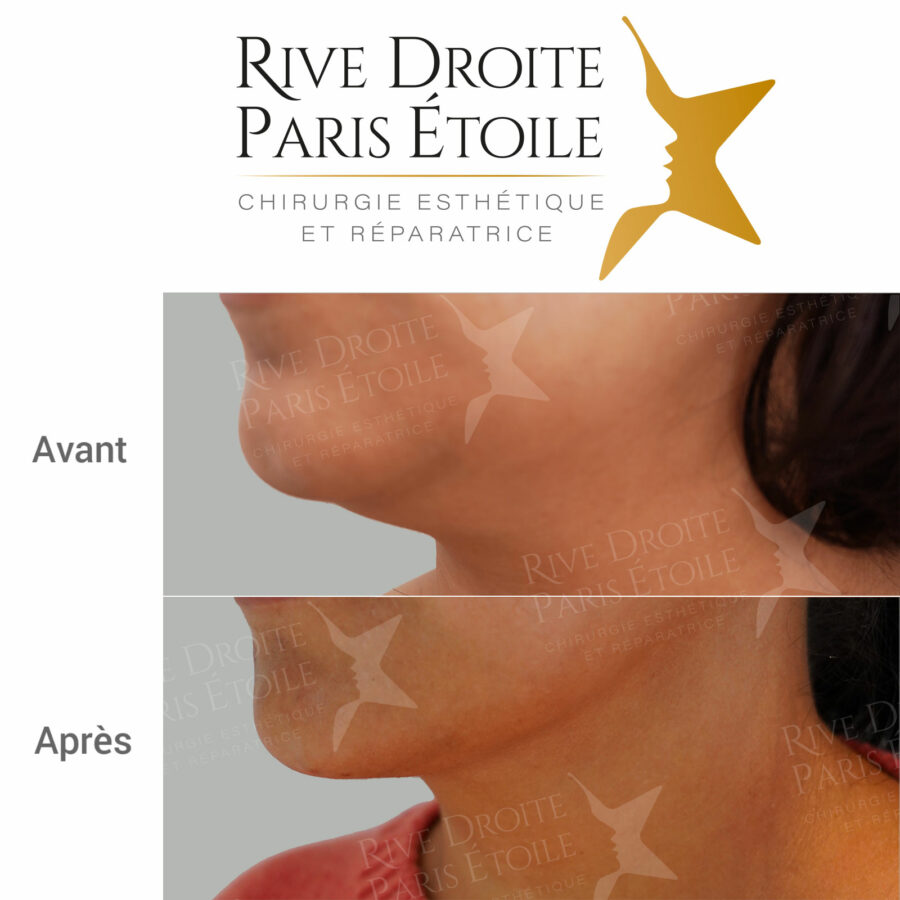
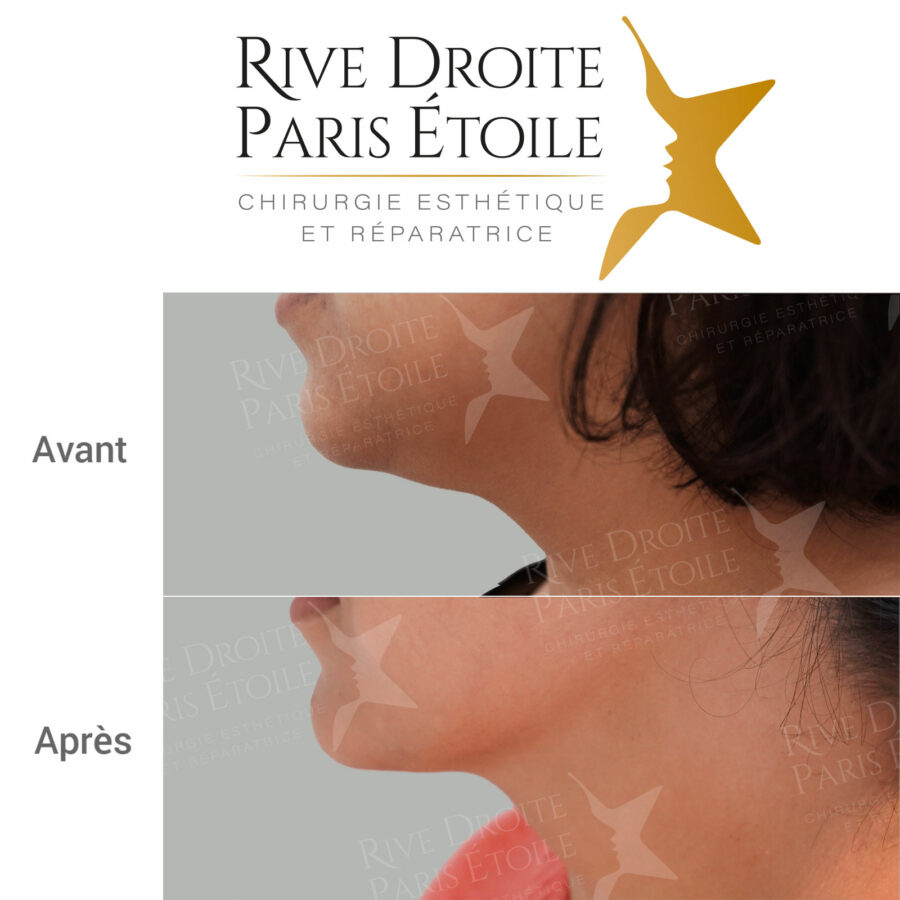
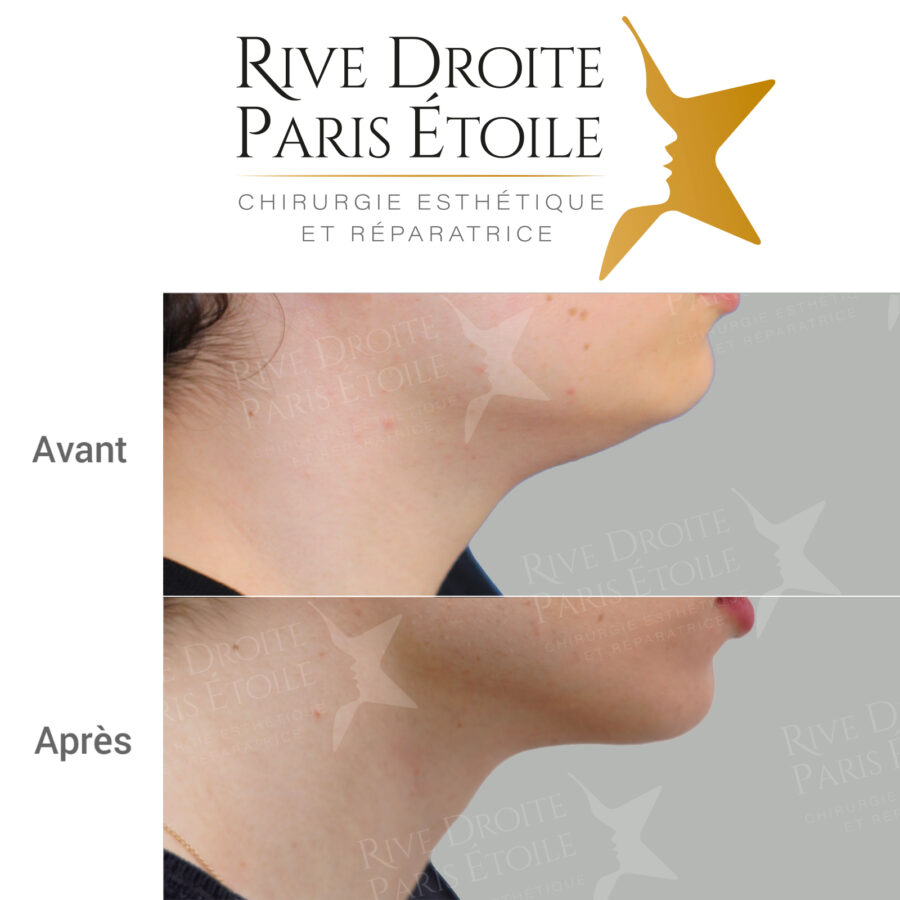
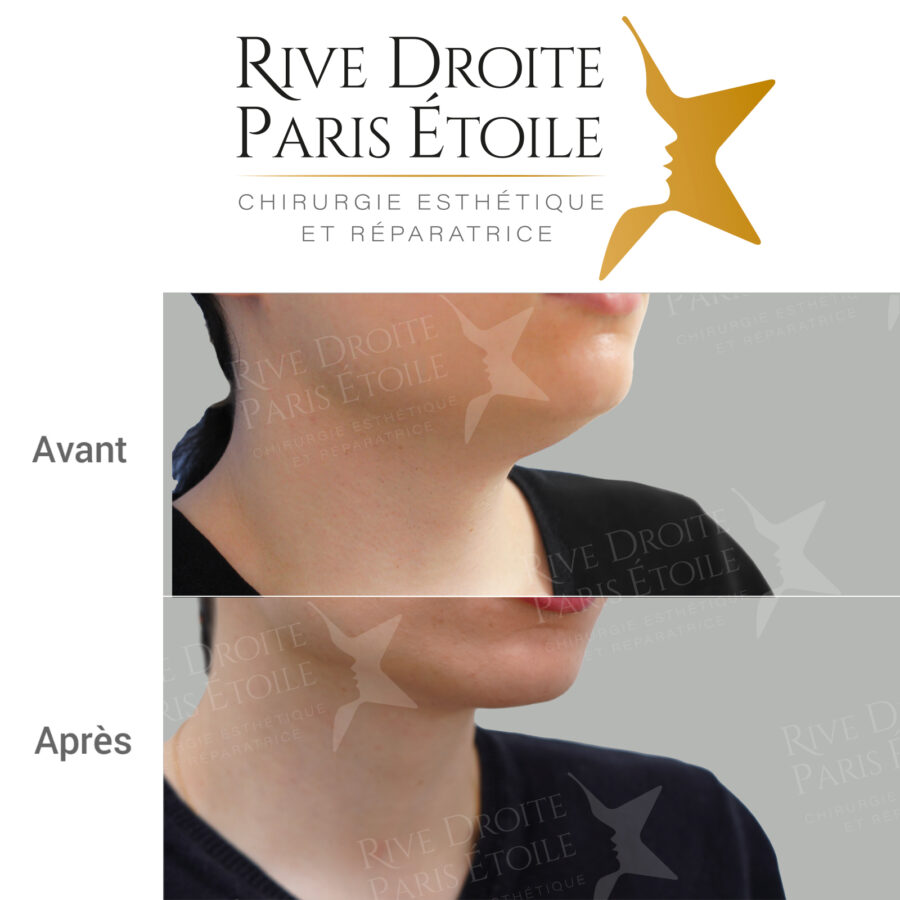
06How the procedure works
Before the procedure
The liposuction procedure is preceded by an initial consultation during which the patient sets out their expectations and goals. A surgeon carries out a first clinical examination to determine the areas to be treated and the volume of fat to be removed. They also assess the quality of the skin and the retraction capacity of the tissues.
A second consultation takes place at least 15 days later. It allows the final details of the operation to be settled and a few pre-operative instructions to be given to the patient:
- Stop smoking and oral contraception one month before
- Refrain from taking aspirin 10 days before
- A pre-operative blood test will also be carried out.
- An appointment with the anaesthetist must also take place at least 48 hours before the procedure.
During the procedure
- Disinfection of the skin the day before and on the morning of the procedure
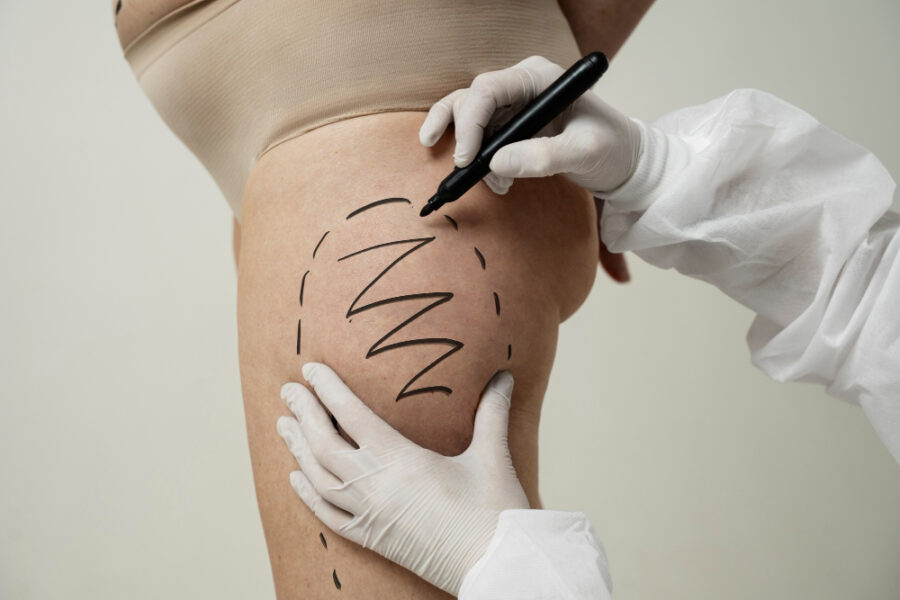
- Marking of the donor areas by the surgeon with a surgical marker
- Injection of a solution that will liquefy the fat cells
- Small incisions are then made in the skin’s natural folds using blunt-tipped, non-cutting cannulas perforated at their end.
- Aspiration with steady, even back-and-forth movements for a gentle, non-traumatic procedure
- Suturing of the incisions with absorbable thread and a dressing
After the procedure
- Very few post-operative consequences
- Swelling subsides within a few days
- Pain is very mild and can be relieved if needed with painkillers.
- Anticoagulants may also be prescribed for some patients
- A compression garment is recommended day and night for 4 to 5 days, then only during the day for an additional week.
- Baths, saunas and hammams are not allowed for at least 8 days.
07Prices & fees in Paris
| Procedure | Aesthetic fees |
|---|---|
| Liposuction: 1 position | 4 000 – 5 000 € |
| Liposculpture / liposuction, 2 positions | 5 000 – 7 000 € |
| Gentle liposuction (local anaesthesia) | 3 000 – 4 000 € |
Indicative “from” prices, surgeon fees included. The final quote is given at the consultation, after examination, depending on the area treated and the technique chosen. Part of the procedure may be covered by French national health insurance when the medical criteria are met.
08Your questions
When will the results be visible?+
The results are immediate and are considered permanent after 3 to 6 months.
Can the fat come back after liposuction?+
No, the fat does not come back in the areas that have been treated with liposuction. Even if you gain weight again, the fat tends to be stored in other places because it can no longer settle in these areas. The result of liposuction is therefore permanent.
Are the scars visible?+
No, the scars from liposuction are generally extremely discreet because they are very small (a few millimetres!) and located within the skin folds. They continue to fade for a year after the procedure.
Does liposuction get rid of cellulite?+
No, liposuction itself does not get rid of cellulite: it removes the fat beneath the skin. However, other techniques exist to get rid of cellulite and may be offered to you by the surgeon.
Is the procedure painful?+
No, liposuction is not painful. The procedure is performed under anaesthesia and post-operative pain is generally very mild and fades within a few days.
Does liposuction make you lose weight?+
No, liposuction does not make you lose weight! The amount of fat removed locally can radically change a body shape, but it represents only a few kilos at most.
Is there a maximum weight for liposuction?+
There is no maximum weight to undergo liposuction, but your BMI must be below 30, which rules out cases of severe obesity.
How long does the operation last?+
The surgical procedure for liposuction can last up to 3 hours depending on the steps to be carried out, the area of the body being treated and the amount of fat to be removed.
Is liposuction performed under general anaesthesia?+
Liposuction is most often performed under general anaesthesia, but it is generally possible to choose local anaesthesia instead if necessary or if the patient prefers.