01Goals and indications for rhinoplasty
The goals of rhinoplasty
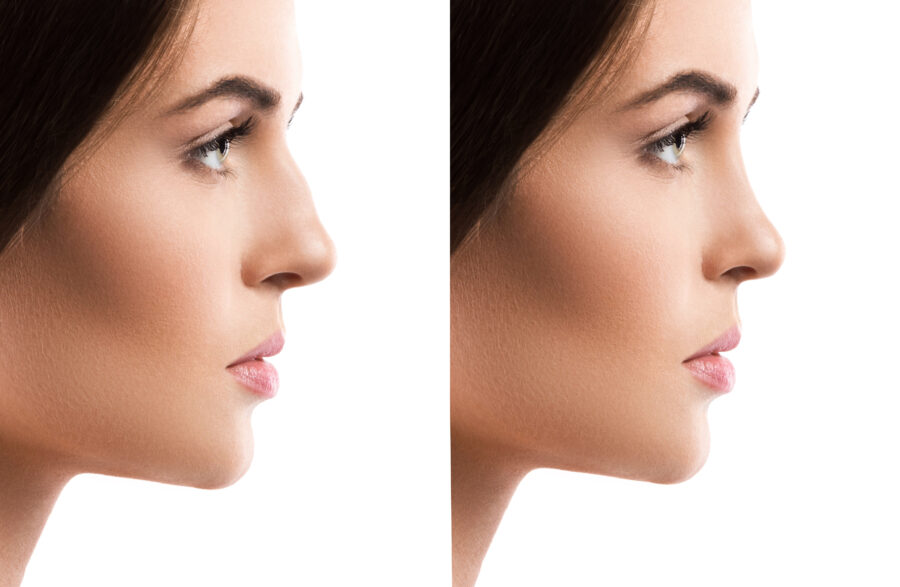
Rhinoplasty is the plastic surgery procedure aimed at restructuring or reshaping the nose. It corrects defects that are congenital in origin (the tip, a bump, a birth malformation), that follow a trauma (an accident, an impact, a fracture) or that are linked to ageing (a drooping tip, loosening of the skin or cartilage).
It can correct a nose that is hooked, aquiline, flat, snub, drooping or upturned. The aim: to bring the nose back into harmony with the proportions of the face, in the most natural-looking way possible. When it treats the after-effects of a trauma, it is referred to as reconstructive rhinoplasty. Rhinoplasty pursues two main goals:
- Restoring harmony between the nose and the face: cosmetic rhinoplasty reshapes the framework of the nose (bone and cartilage) to lengthen, reduce, refine or straighten the nose and soften a bump.
- Correcting breathing difficulty: functional rhinoplasty straightens the deviated septum, treats turbinate hypertrophy or valve problems and relieves the nasal obstruction responsible for breathing difficulties or snoring.
The different types of rhinoplasty
These situations give rise to several types of rhinoplasty:
- Cosmetic rhinoplasty: the most common, for a bump, a deviation, a drooping tip or disproportions; a cartilage graft is sometimes needed.
- Rhinoplasty for a congenital malformation: cleft lip, cysts, fistulas, hypoplasia.
- Post-traumatic rhinoplasty: correction of a trauma to the nasal pyramid (fractures).
- Ethnic rhinoplasty: to modify certain morphological features while preserving the harmony of the face.
- Rejuvenation rhinoplasty: to correct the loosening of the nasal tissues with age.
- Secondary rhinoplasty: after a first procedure whose result is unsatisfactory (around 15% of cases).
Rhinoplasty is suitable for both women and men, from the end of growth (age 16). It can be combined with a genioplasty to harmonise the whole profile (profiloplasty). If you are hesitant, or for a minor touch-up, a non-surgical rhinoplasty (hyaluronic acid) may be offered as a temporary alternative.
02Closed approach and ultrasound: Dr Hunsinger’s techniques
Rhinoplasty can be performed via two approaches. True to his pursuit of a natural-looking, discreet result, Dr Hunsinger favours the closed approach whenever the morphology allows:
- i
The closed approach (closed rhinoplasty)all the incisions are hidden inside the nostrils: no visible scar and a simpler recovery. This is the preferred approach whenever possible.
- ii
The open approachreserved for the most complex corrections: a short incision on the columella provides a complete view of the structures. The resulting scar is very discreet.
- iii
Piezosurgery (ultrasound)for working on the bone (reducing a bump), ultrasound instruments allow a precise action that respects the tissues, for an often gentler recovery.
In the same spirit, preservation techniques retain as much of the nose’s natural structures as possible (dorsum, ligaments) rather than rebuilding them: the result stays true to the face, with no « done » nose. The result is appreciated gradually – the swelling subsides within a few weeks, but the nasal tip can take up to 12 months to reveal its final shape.
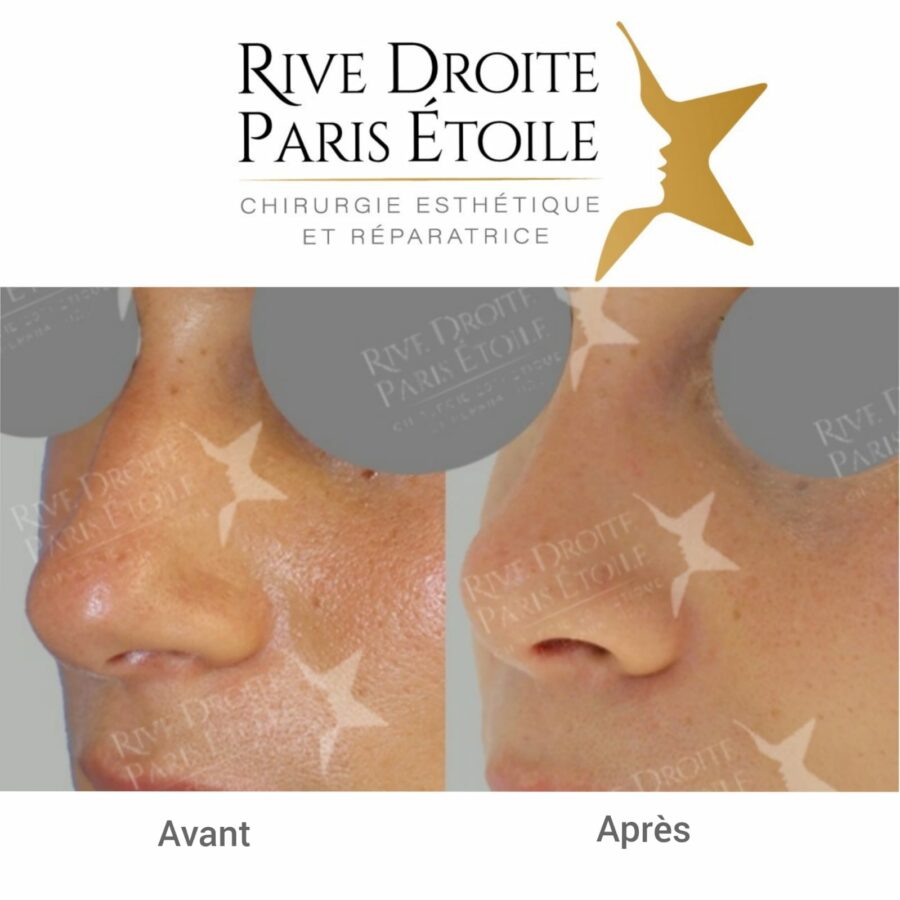
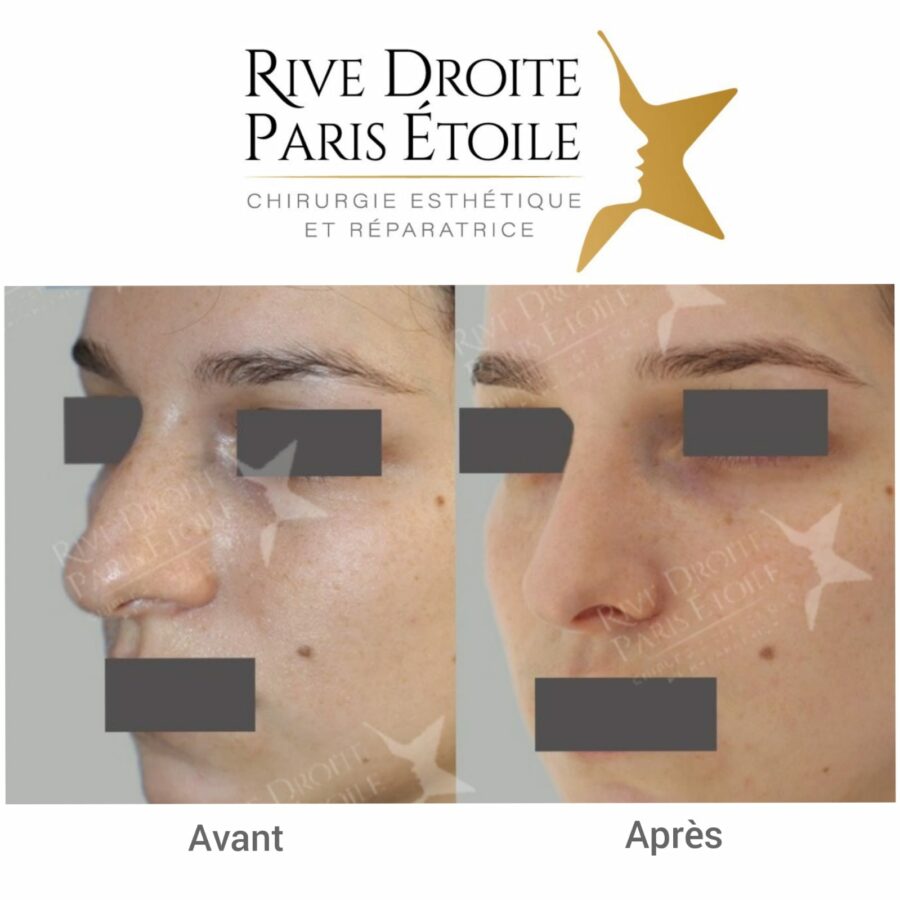
03Before / after results
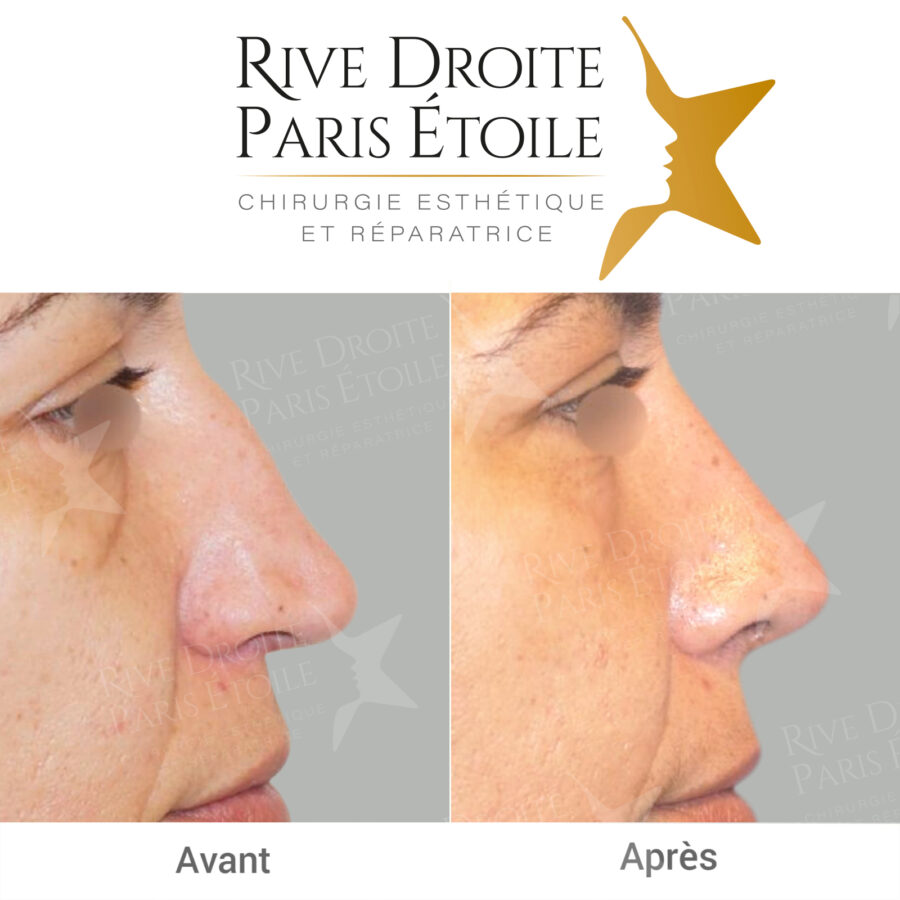
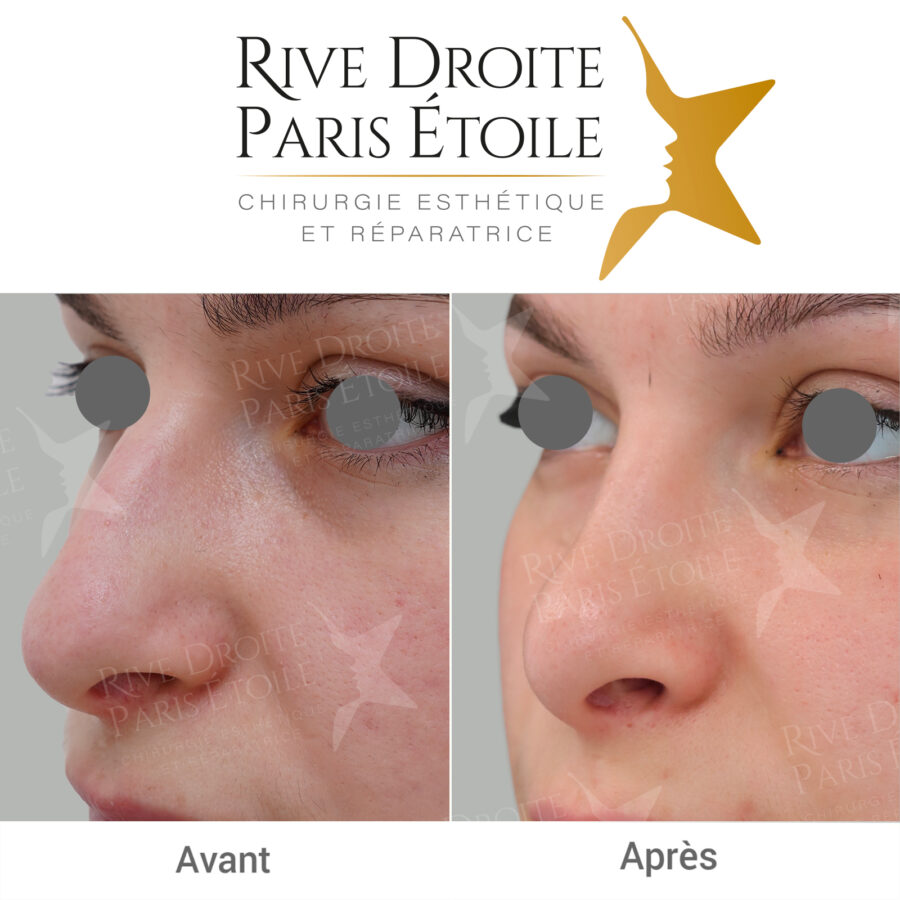
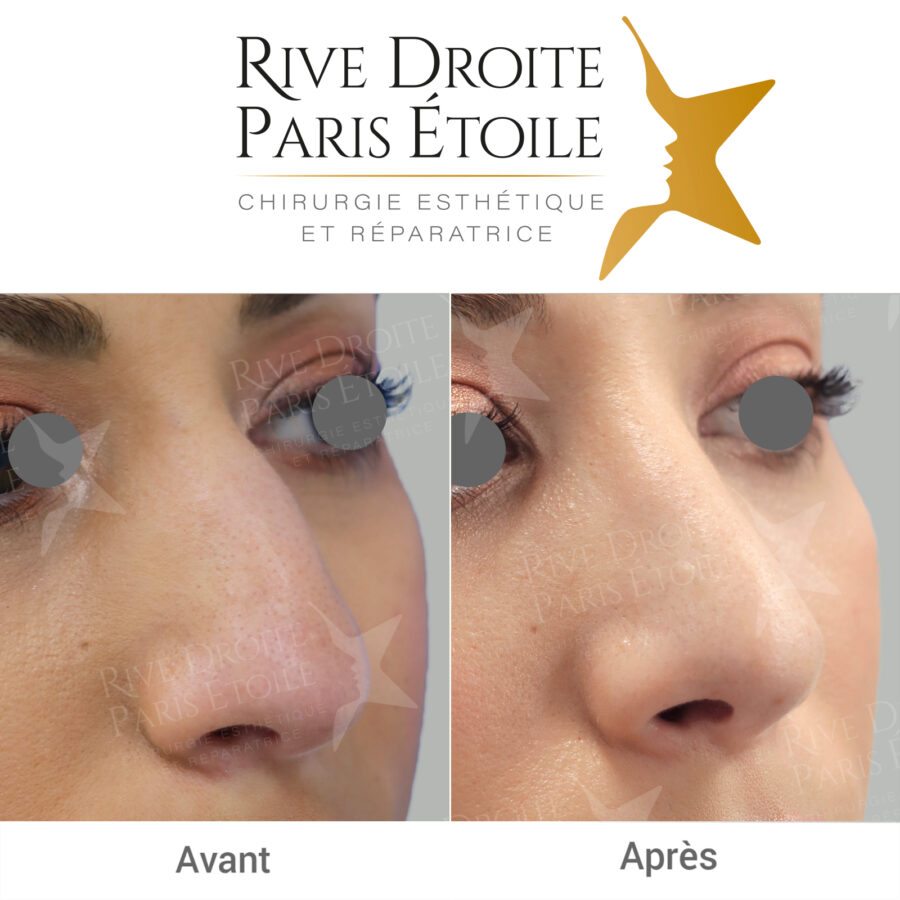
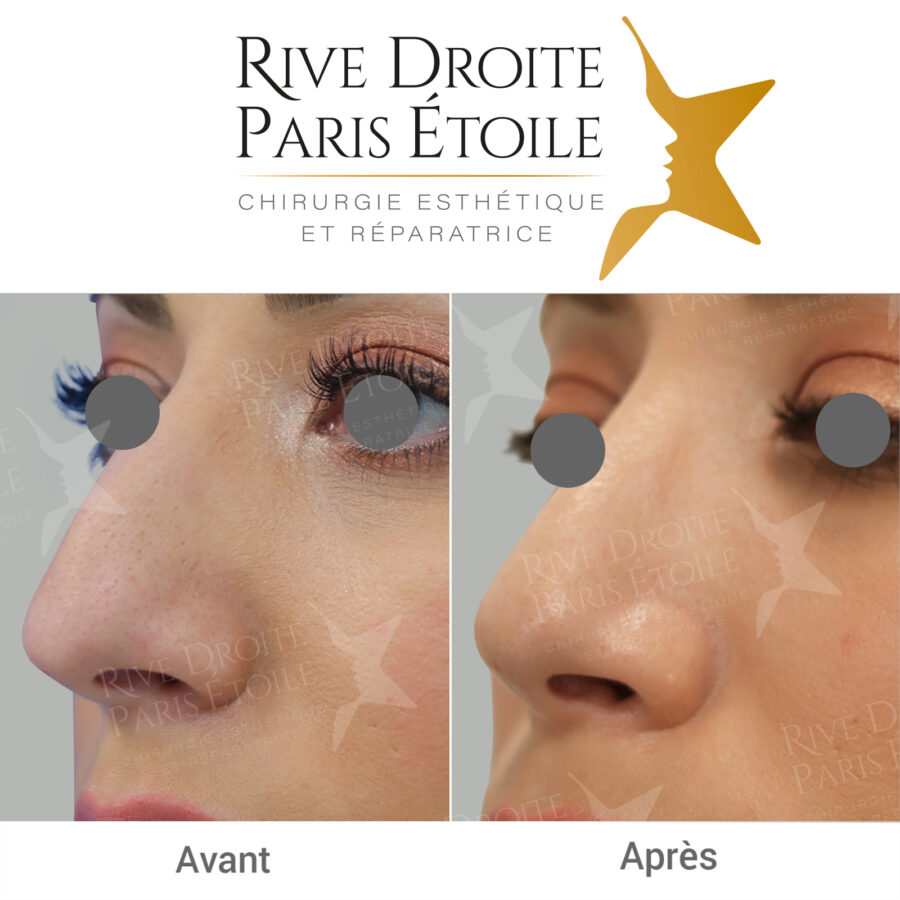
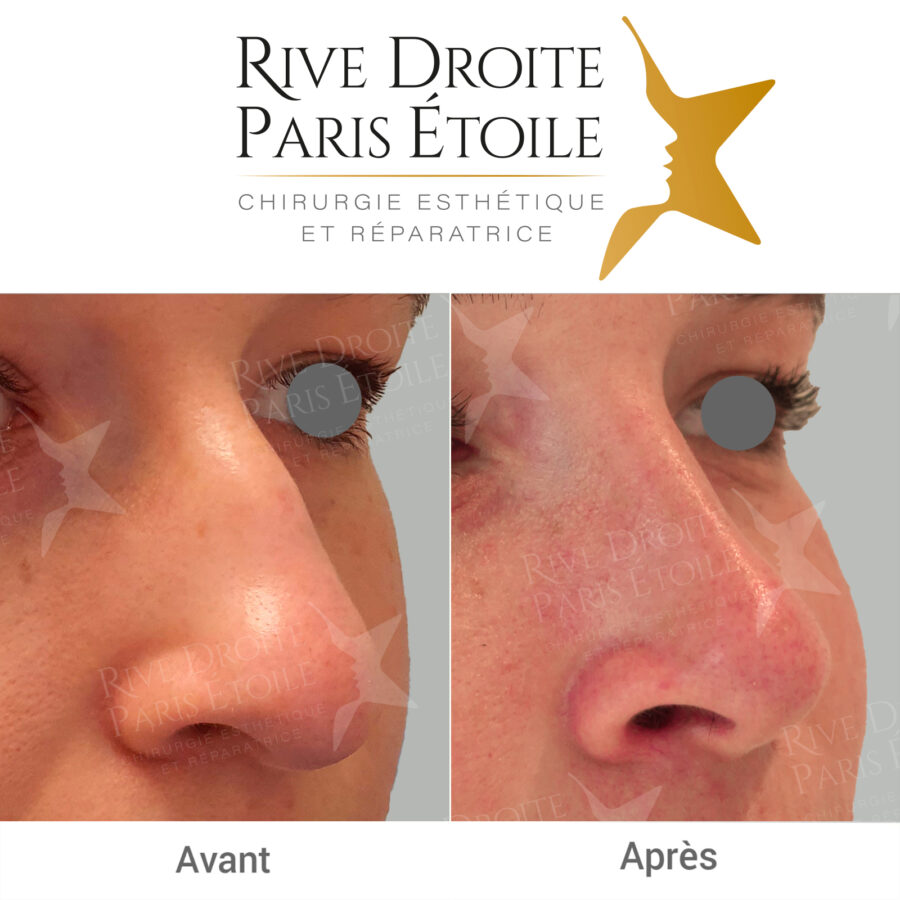
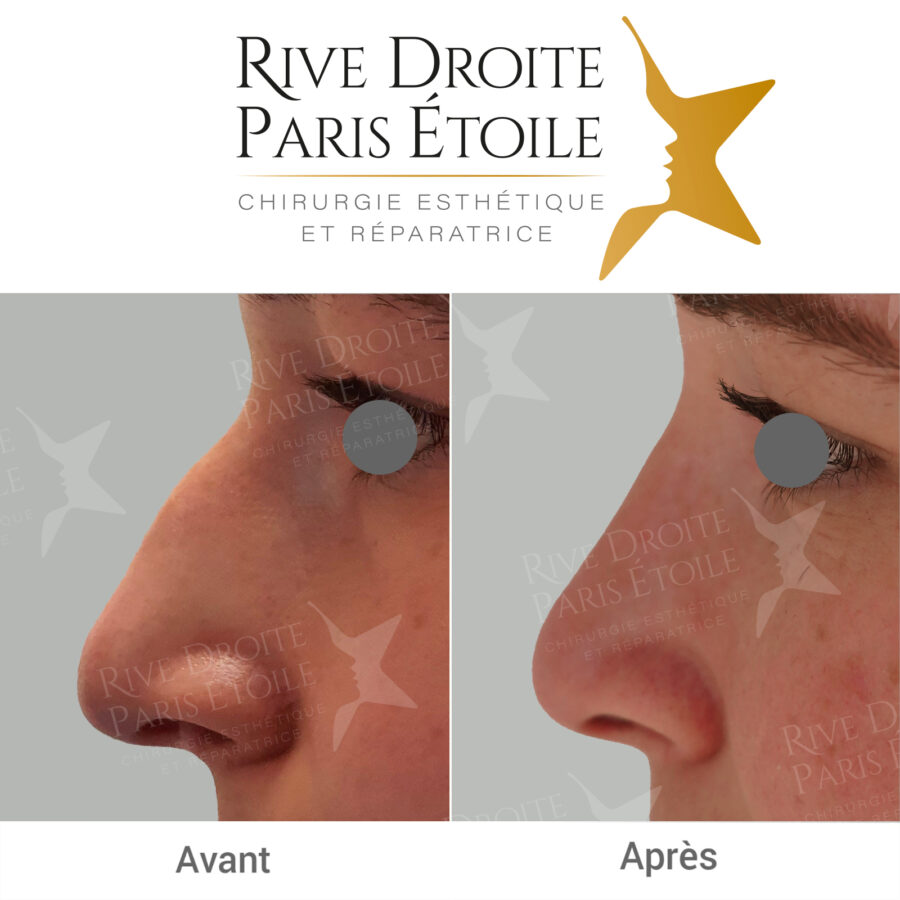
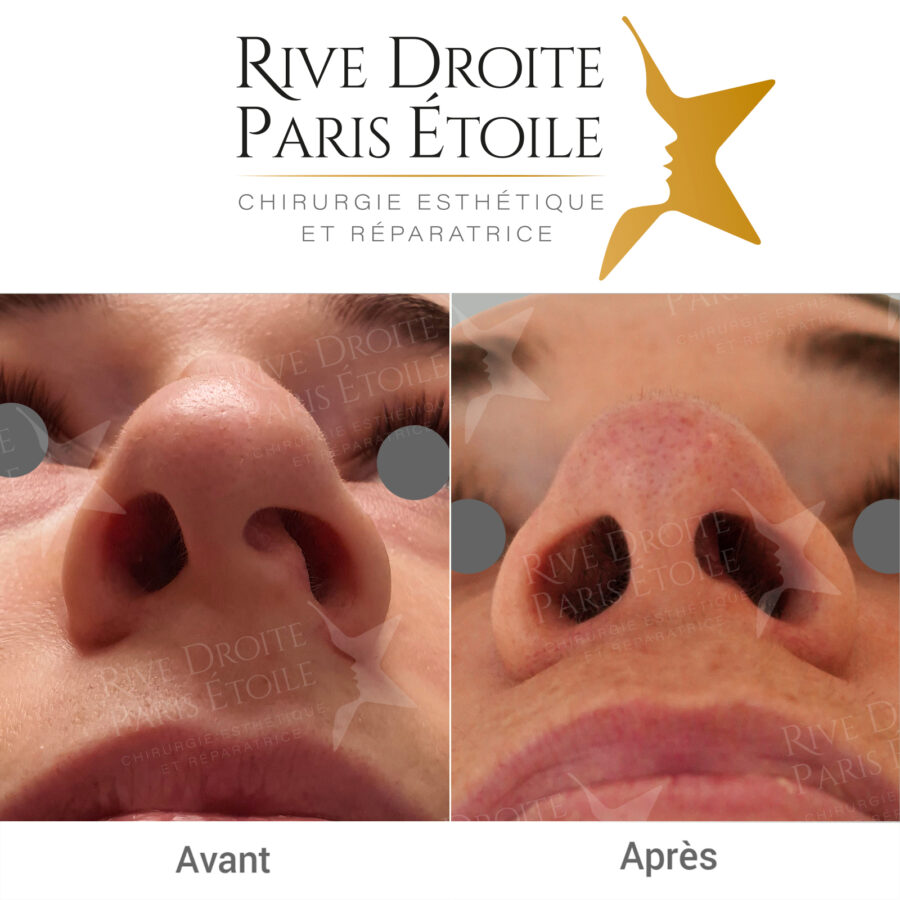
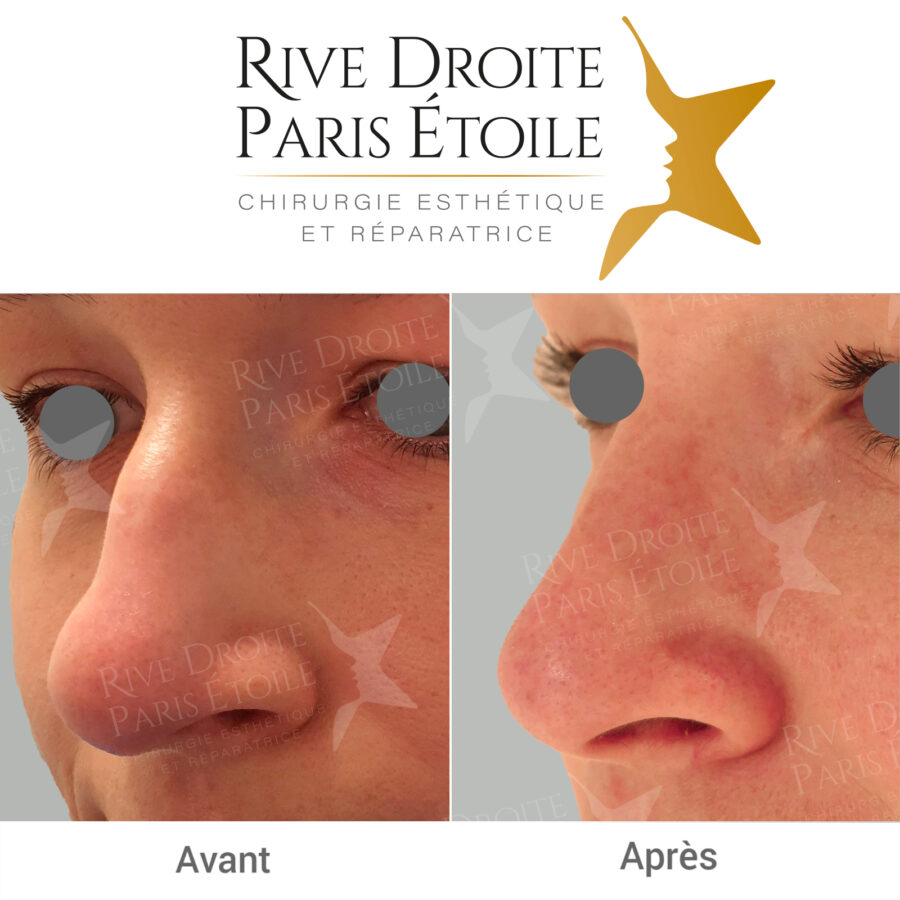
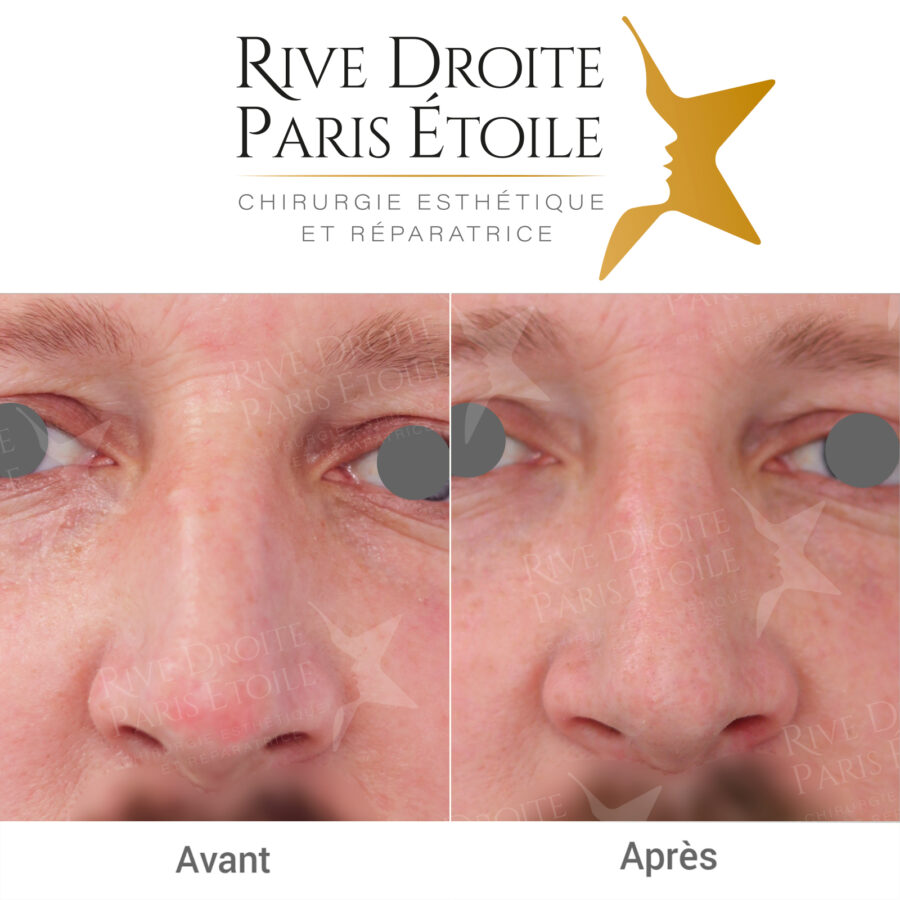
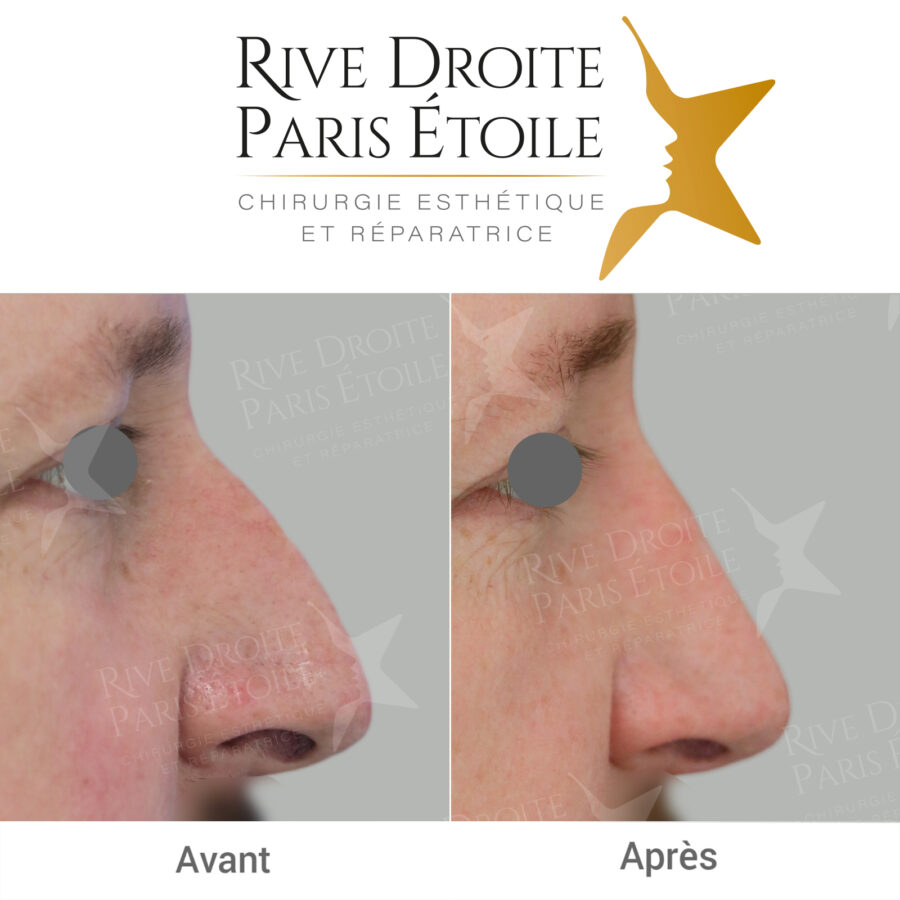
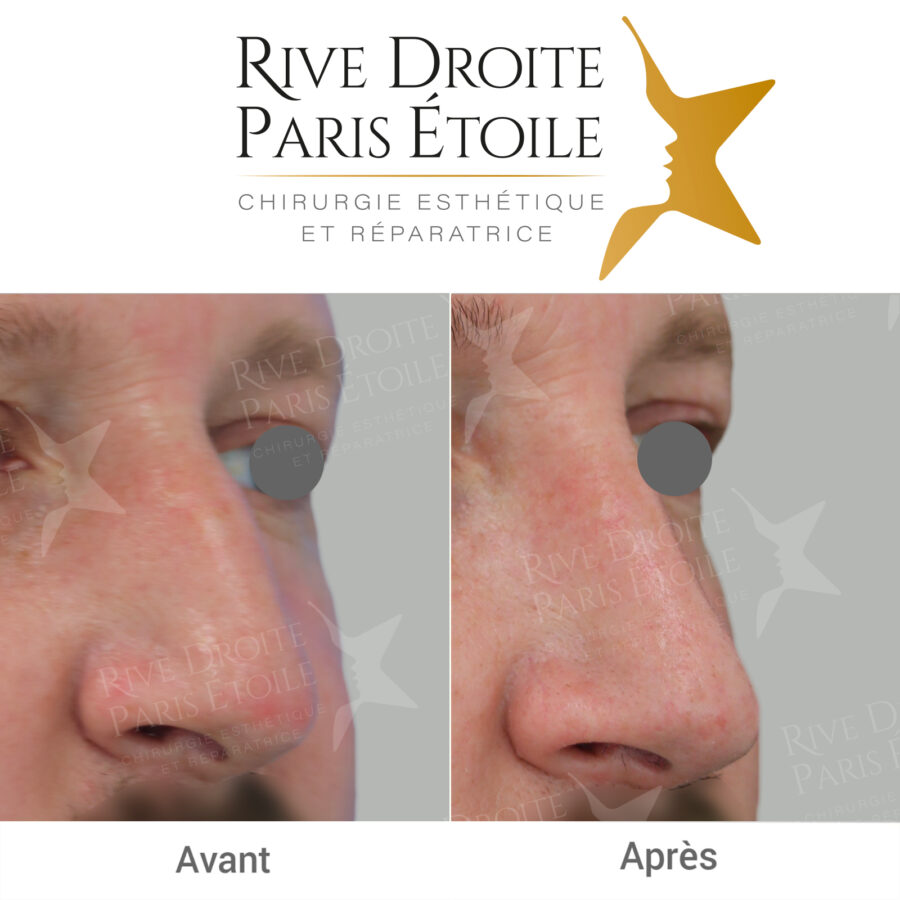
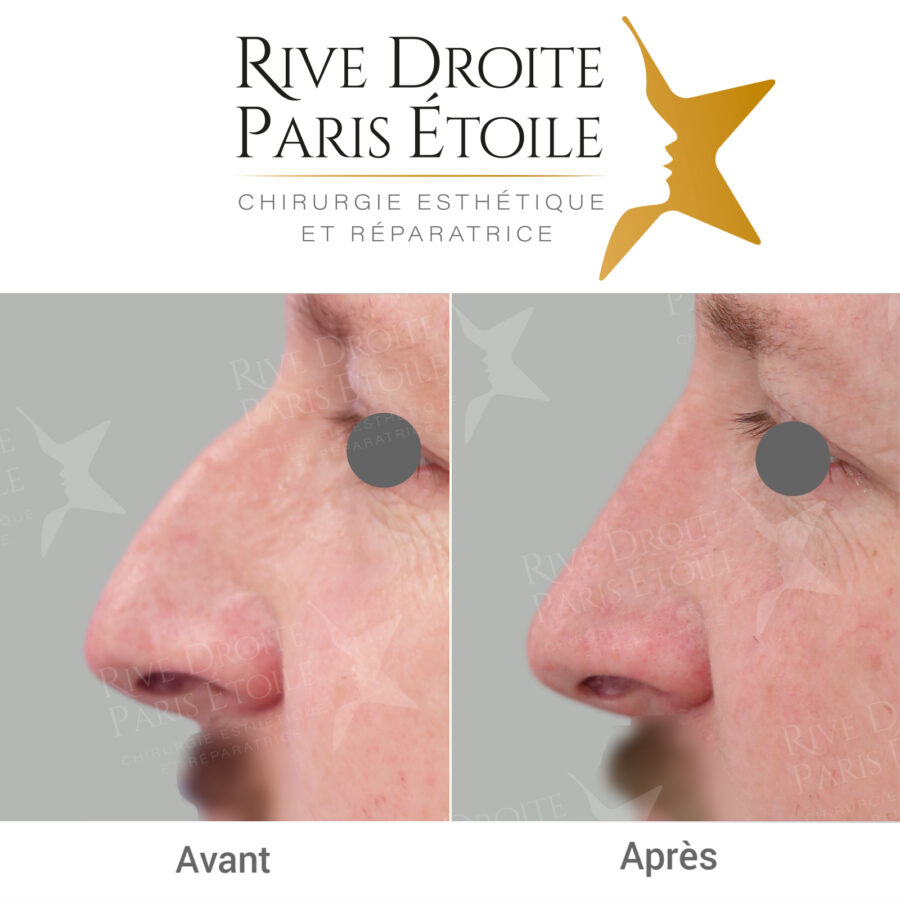
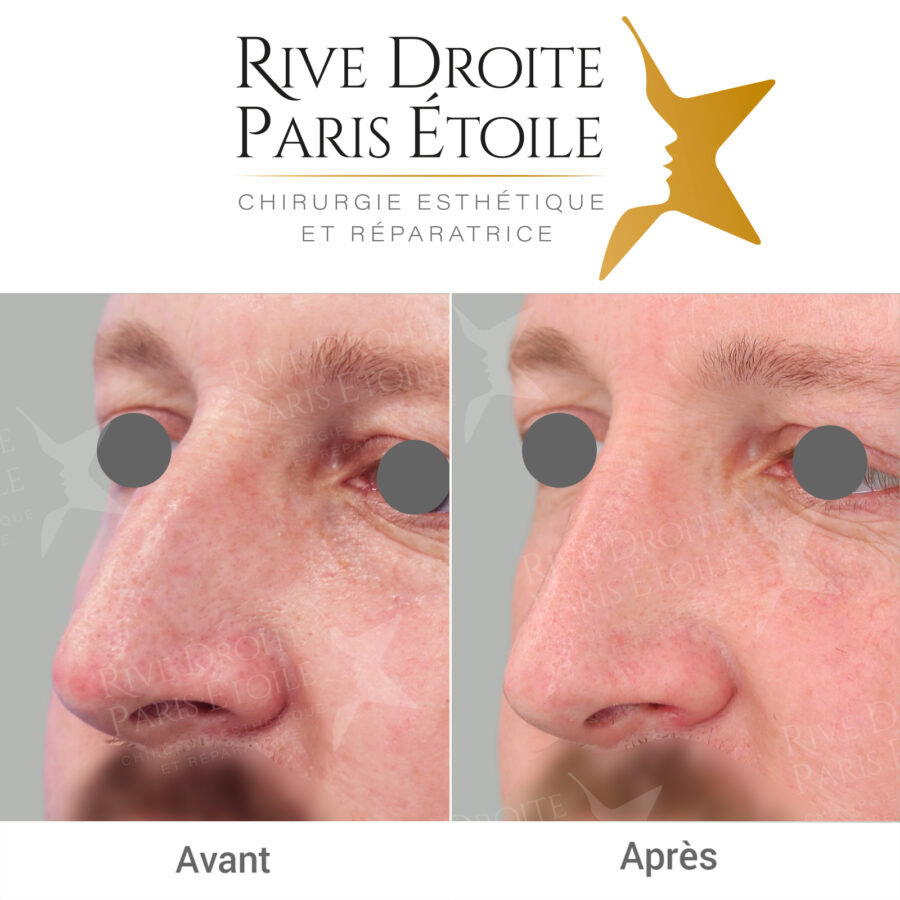
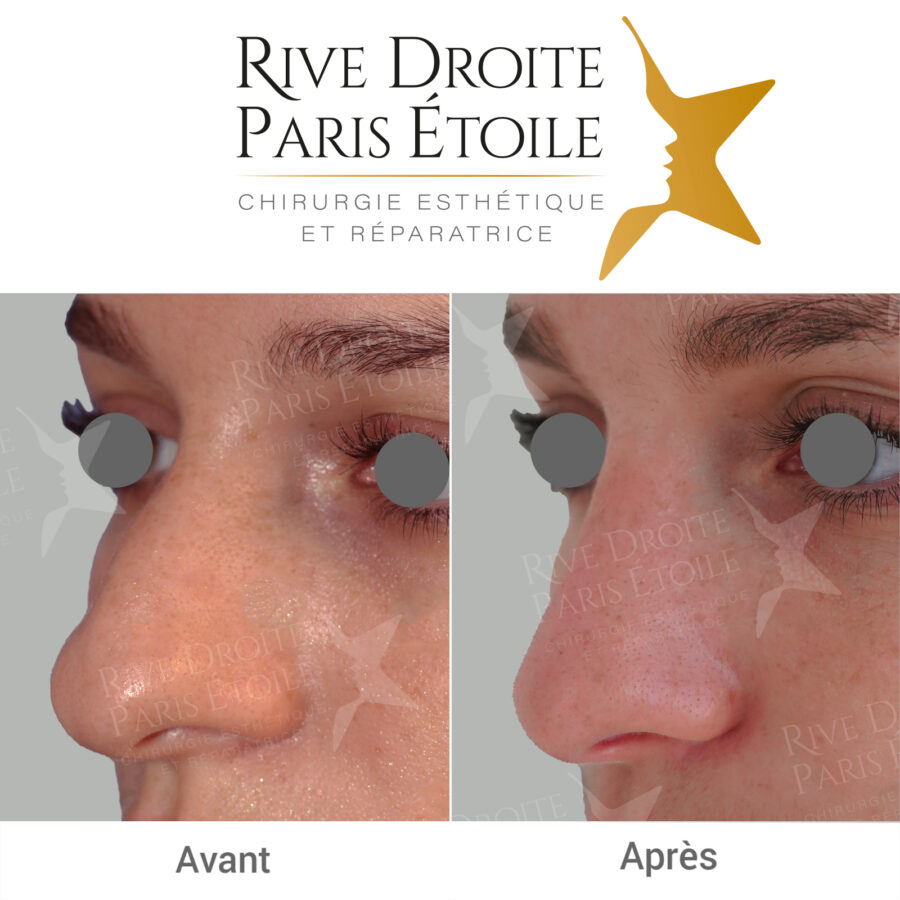
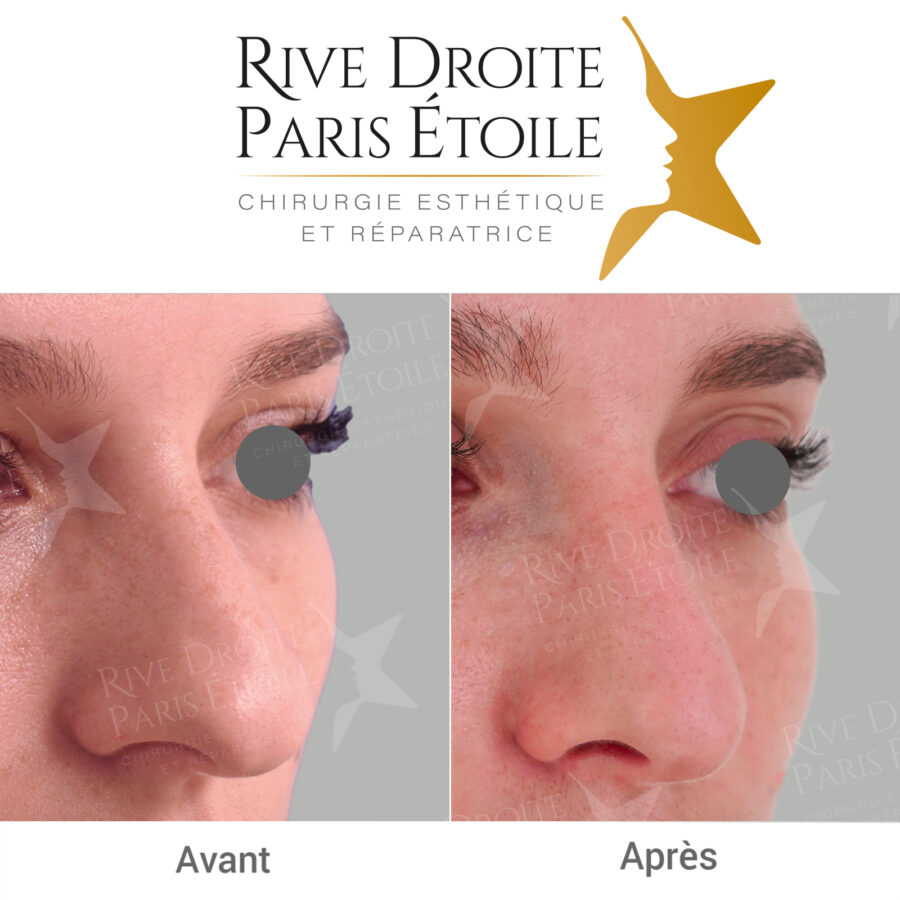
04How the procedure works
Before the procedure
Rhinoplasty is preceded by an initial consultation with the surgeon at the Rive Droite Paris Étoile clinic, who gathers the patient’s aesthetic wishes.
The surgeon carries out an aesthetic and functional assessment of the nose (tip, bridge, dorsum, root, nostrils), evaluating the bone and cartilage structure, the shape of the face and the quality of the skin, and looking for any breathing difficulties. An endonasal examination completes the assessment.
Medical photographs and a morphing software simulation make it possible to visualise the achievable result, particularly in profile. A second consultation settles the final details and obtains informed consent. A blood test (and a radiological examination in the case of reconstructive rhinoplasty) is carried out, along with pre-operative instructions:
- stopping smoking one month before and after;
- stopping aspirin and its derivatives 10 days before;
- stopping oral contraception in the event of a thrombo-embolic risk;
- disinfecting the skin the evening before and the morning of the procedure.
A visit to the anaesthetist is scheduled at the latest 48 hours before the procedure.
During the procedure
The patient stays at least one night in the clinic (longer for a reconstructive rhinoplasty).
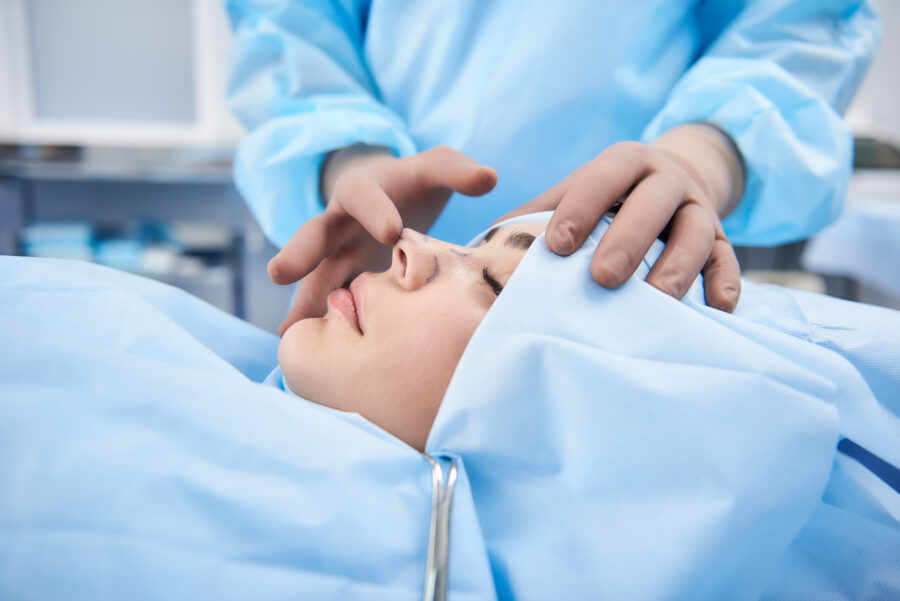
Depending on the chosen approach (closed or open), the surgeon makes incisions hidden inside the nostrils or at the columella. The bone-and-cartilage framework is then corrected as required:
- reduction or removal of a bump;
- redefinition of the nasal tip (reduction, refining, lifting, lengthening);
- correction of a deviation;
- reduction of a nose that is too long or too wide;
- modification of the bridge, reshaping of the nasal structure.
The incisions are closed with sutures that are most often absorbable. A resin or plaster splint is moulded onto the nose and kept for about a week to protect it and consolidate the result.
After the procedure
The post-operative recovery from rhinoplasty is fairly mild. Swelling and bruising appear and then naturally fade within about ten days. Slight bleeding is possible in the first few hours; nasal packing may be placed for 1 to 3 days. Breathing difficulty is common in the following month (eased by nasal sprays). A temporary loss of taste and smell is possible.
Time off: at least a week off work should be expected. The nose remains fragile for a month: any impact must be avoided, and sport is suspended for at least 3 months. The risk of infection is rare.
Results: the result emerges within 3 to 6 months, once the swelling has subsided; the tip can take up to 12 months. Rhinoplasty provides a long-lasting result and permanent changes to the bone-and-cartilage structure, with ageing then continuing its natural course.
05Prices & fees in Paris
| Procedure | With insurance coverage | Aesthetic fees |
|---|---|---|
| Surgical rhinoplasty | 3 500 – 5 000 € | 5 500 – 8 500 € |
Indicative “from” prices, surgeon fees included. The final quote is given at the consultation, after examination, depending on the area treated and the technique chosen. Part of the procedure may be covered by French national health insurance when the medical criteria are met.
06Your questions
How much does a rhinoplasty cost in Paris?+
The price depends on the extent of the corrections and on any associated surgery (genioplasty). Expect from €5,500 for a cosmetic rhinoplasty. Where there is a functional indication, partial coverage by the national health insurance is possible (from €3,500). A precise quote is provided at the consultation.
Is rhinoplasty reimbursed by the national health insurance?+
Yes, partially, when there is a functional indication: breathing difficulty, a deviated septum or the after-effects of a trauma. The cosmetic part remains payable by the patient. We detail the conditions in our article on the cost and reimbursement of a rhinoplasty.
Open or closed rhinoplasty: what is the difference?+
With the closed approach, all the incisions are hidden inside the nostrils: no visible scar and a simpler recovery – this is the approach Dr Hunsinger favours whenever the morphology allows. The open approach, reserved for complex corrections, adds a short, very discreet scar on the columella but provides a complete view of the structures.
What is ultrasonic rhinoplasty (piezosurgery)?+
This is a technique that uses ultrasound to work on the bone of the nose (reducing a bump): the action is precise and respects the surrounding soft tissues, which often results in less bruising and swelling and a gentler recovery.
How long does the nose take for the swelling to go down?+
The most pronounced swelling fades within about ten days, but it continues to subside over several months; the nasal tip can take up to 12 months to reveal its final shape. Our tips on reducing nose swelling after a rhinoplasty help to support this phase.
From what age can you have a rhinoplasty?+
Rhinoplasty is performed from the end of growth, that is to say around age 16, in both women and men. There is no upper age limit as long as the state of health allows it.
Are the scars visible?+
With the closed approach, the scars are completely invisible (inside the nostrils). With the open approach, the scar is limited to the columella and remains very discreet. In the case of a graft (reconstructive rhinoplasty), a small scar is added at the harvest site (ear or scalp).
Is the procedure really effective?+
Rhinoplasty is one of the most commonly performed and best-mastered plastic surgery procedures; the results are generally very satisfying. Effectiveness can be limited by skin that is too thick or too oily. When the result is judged insufficient, a secondary rhinoplasty makes it possible to optimise the correction.