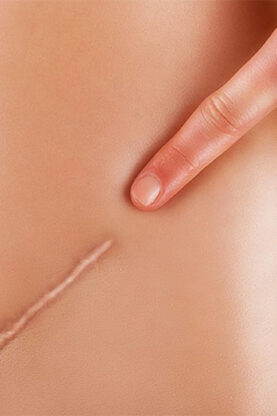
01Why have a scar revision?
The reasons are many, since every scar is unique. Revision can change its appearance, its position or its texture. Among the most common indications:
- scars that are too wide or have an irregular shape;
- poorly positioned scars (across a fold, very visible);
- painful scars or scars causing a functional impairment (a band that restricts movement);
- burn scars or contracted scars;
- keloid scars (raised) or hypertrophic scars;
- hypo- or hyper-pigmented scars that resist other treatments;
- scars from a previous surgery (breast, abdominoplasty, caesarean) that you wish to improve.
02Keloid, hypertrophic, contracted: what are the different types of scars?
Not every scar is treated the same way, and the distinction matters:
- a hypertrophic scar is raised but stays within the limits of the original wound; it tends to regress over time;
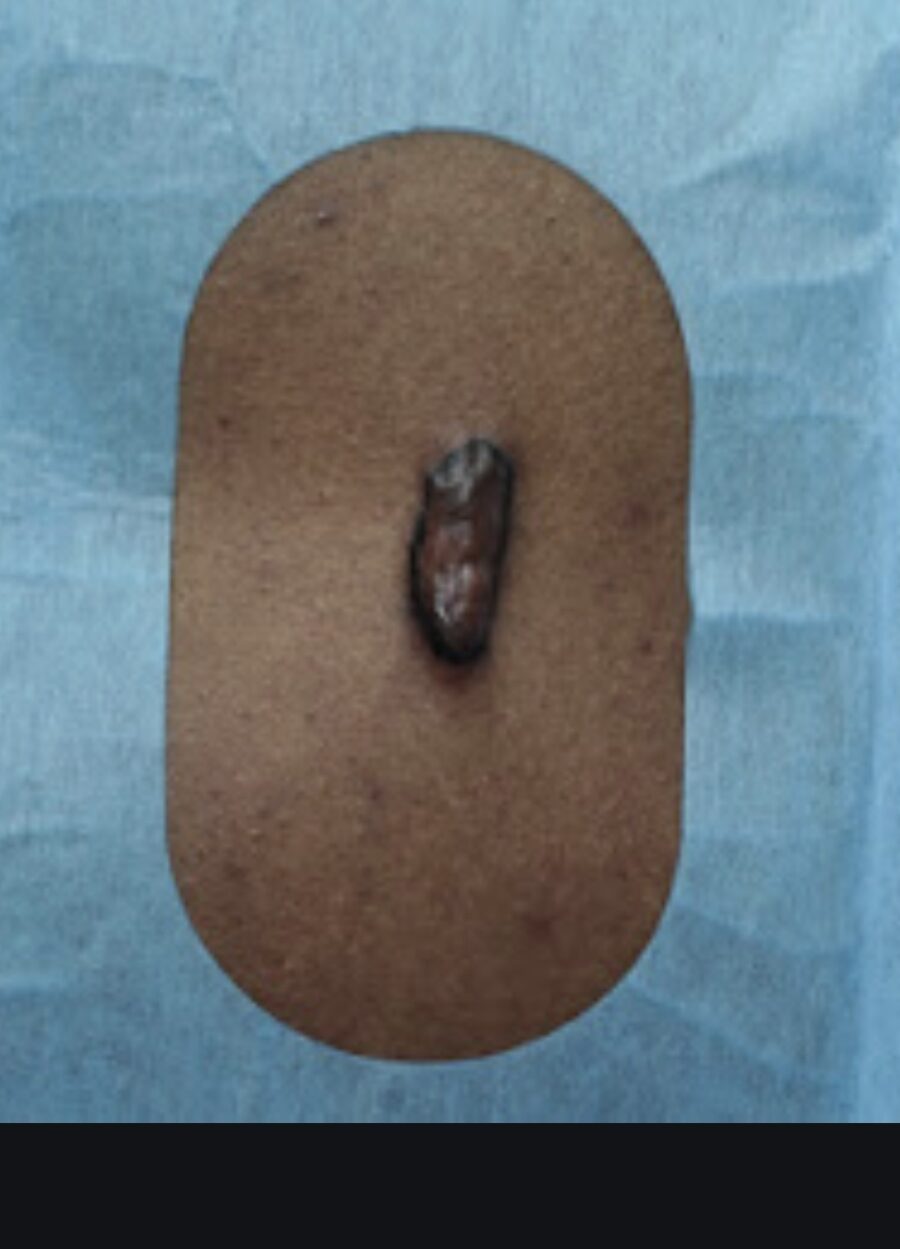
- a keloid scar extends beyond the original wound, keeps growing and does not regress on its own.
This difference changes the strategy. Key point: a keloid removed by surgery alone very often recurs — sometimes larger. That is why its treatment combines surgical removal with complementary care (corticosteroid injections, compression / silicone sheets, sometimes low-dose radiotherapy). The surgeon assesses this risk before proposing a revision, and explains it during the consultation.
03What techniques are used to revise a scar?
The procedures are as varied as scars themselves. Depending on the case, the surgeon may use:
- the use of Langer’s lines and natural folds to hide the scar;
- excision with closure using a Z-plasty (to redistribute tension and break up a band);
- surgical removal in one or several stages;
- skin grafts for extensive tissue loss — see facial reconstructive surgery;
- dermabrasion, corticosteroid injections, tissue expansion, micro-liposculpture or advanced suturing techniques.
Before considering a revision, it is best to wait for the scar to mature: at least one year after the initial trauma or surgery, and ideally after the end of puberty.
04Will the scar disappear completely?
It is rarely possible to make a scar disappear entirely — any surgery leaves one. However, the gains in discretion and aesthetic quality are generally considerable, even in the most complex cases. The goal is a finer, better-placed and less noticeable scar, not “brand-new” skin.
05How the procedure works
Before the procedure
The consultation is decisive: every scar is unique, and the surgeon sets realistic goals, details the chosen technique and the follow-up protocol. It is also the moment to assess the scar’s maturity (ideally > 1 year). One instruction is essential: stopping smoking several weeks before and after the procedure (it compromises healing). For a keloid, the combined strategy (surgery + complementary care) is defined at this stage.
During the procedure
The procedure is entirely tailored to the case. It is performed under local anaesthesia, or general anaesthesia for the most complex or extensive revisions. Its duration ranges from 20 minutes to several hours depending on the technique (simple excision-suture, Z-plasty, graft, etc.). The surgeon removes or repositions the scar tissue, redistributes the tension and closes with careful sutures, placing the scar within the skin’s natural lines.
After the procedure
Scar aftercare determines the result. A total sunblock is applied before any sun exposure during the following weeks; scar massage and healing ointments are often recommended. Recovery is generally straightforward and complications rare: infection (very rare), swelling, tightness and itching, and a loss of sensitivity that is usually temporary. The result is assessed over time — first at around 6 months, then at 2 years, as the new scar matures in turn.
06Prices & fees in Paris
| Procedure | With insurance coverage | Aesthetic fees |
|---|---|---|
| Scar revision | 500 € | 500 € |
Indicative “from” prices, surgeon fees included. The final quote is given at the consultation, after examination, depending on the area treated and the technique chosen. Part of the procedure may be covered by French national health insurance when the medical criteria are met.
07Your questions
Is scar revision covered by French national health insurance?+
Not when it is purely aesthetic. However, partial coverage is possible when the original scar results from trauma or a first surgical procedure, or in cases of functional impairment (a band, pain). You then need to submit a prior-authorisation request to your insurance fund: the surgeon supports you through this process.
What is the price of scar revision in Paris?+
At Rive Droite Paris Étoile, expect from €500 (see the price table below). The price depends largely on the extent of the scar and the technique (simple excision or complex plasty, local or general anaesthesia); it is set during the consultation, with a quote.
How long should you wait before revising a scar?+
As a general rule, you wait for the scar to mature: at least one year after the trauma or surgery, and ideally after the end of puberty. A young scar is still changing and may yet improve on its own.
Can a keloid scar come back after surgery?+
Yes, this is the key point: a keloid removed by surgery alone often recurs. Its treatment combines surgical removal with complementary care (corticosteroid injections, compression / silicone, sometimes low-dose radiotherapy) to limit this risk.
Can surgery be combined with laser or a chemical peel?+
Yes. Surgical revision can be complemented by a laser or a chemical peel to refine the scar further. These options are discussed during the initial consultation or at follow-up consultations.
What are the possible complications?+
They are rare: infection at the site (very rare), swelling, tightness and itching, and a loss of sensitivity at the scar, usually temporary.
Can a scar from plastic surgery (breast, abdominoplasty, caesarean) be revised?+
Yes: a scar from a previous procedure deemed too visible or poorly placed can be improved once it has matured. The surgeon assesses what is realistic depending on the area and the quality of the skin.