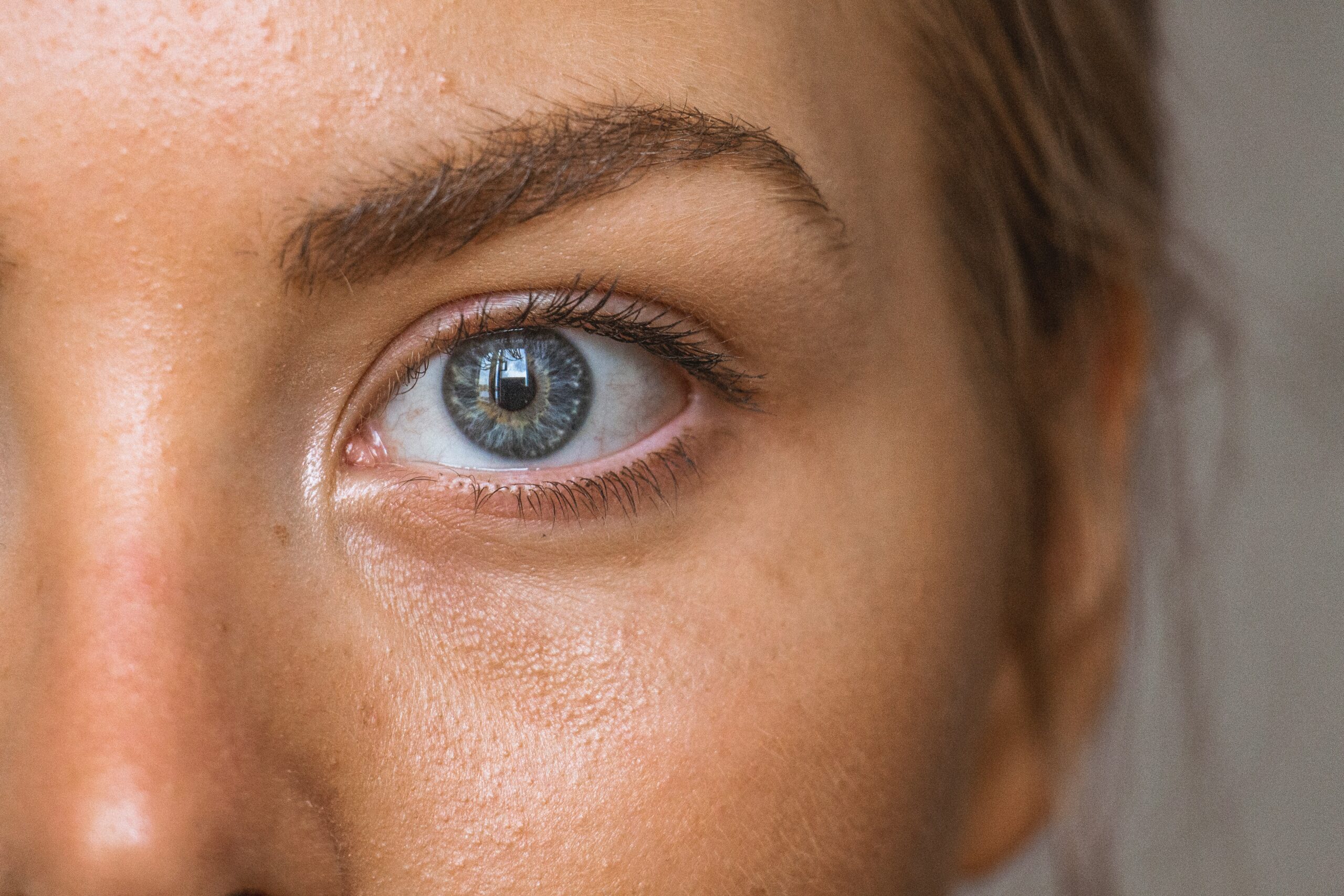
Morpheus 8: fractional radiofrequency combined with microneedling
Morpheus 8 is a treatment that combines fractional radiofrequency and microneedling to firm the skin and give the complexion a smoother, more radiant look. The process works deep down and very precisely thanks to a controlled thermal effect on the epidermis and dermis, with convincing results and very few side effects. How does Morpheus 8 technology work? Who is it for? Which areas can be treated, and what are its side effects? Here is everything you need to know about this aesthetic medicine treatment.
Contents
How does Morpheus 8 technology work?
Morpheus 8 technology uses a process that combines fractional radiofrequency and microneedling (micro-needles). It works like a deep heat treatment of the various sub-cutaneous layers to reshape, lift and rejuvenate the skin. The device used during this procedure heats the dermis to the desired intensity and depth (thanks to several micro-needles of different shapes and depths) and produces a thermal effect that stimulates the fibroblasts. A new synthesis of collagen, elastin and hyaluronic acid then takes place naturally down to the deepest layers of the skin. The Morpheus 8 treatment thus triggers a process of rebuilding and reorganising the restructuring components to firm the skin lastingly, all without any injection of an external product.
Developed by the American manufacturer InMode, the Morpheus 8 device was cleared by the Food and Drug Administration (FDA) in the United States for fractional tissue remodelling, making it one of the best-documented radiofrequency micro-needling devices. The English-language scientific literature describes this combination of radiofrequency and micro-needles as an effective way to stimulate the production of new collagen while limiting damage to the skin’s surface, which is why recovery is generally moderate.
What tools are used for the latest-generation RF combined with microneedling?
The Morpheus 8 device takes the form of a handpiece that emits high-frequency electromagnetic waves, with 4 different fractional-energy tips that can be adjusted in both width and depth:
- Prime, with 12 electrodes;
- Resurfacing, with 24 micro-needles;
- Morpheus 8, with 24 needles;
- Body, with 40 electrodes.
These different tips reach several depths and deliver, through radiofrequency, a diffuse, even and controlled thermal effect with no heat loss. This technological advance gives practitioners a simple, low-pain and effective method to reshape the dermis and the sub-cutaneous tissues of the face as well as other parts of the body.
A triple action on the skin
This treatment offers a non-surgical solution for people wishing to firm their skin, reduce localised fat deposits and correct skin imperfections. It combines three distinct actions:
- coagulation of the fat cells to reduce fat deep down through a process of apoptosis. The thermal effect produced by radiofrequency at depth causes the lysis of the adipocytes (programmed cell death);
- tightening of the connective tissue by induction to smooth and firm the skin;
- sub-necrotic heating to eliminate various skin irregularities or imperfections.
Its effectiveness and precision make it a treatment well suited to those who are hesitant about undergoing surgery, such as facial or body liposuction or a surgical facelift.
What are the indications for radiofrequency combined with microneedling?
The Morpheus 8 treatment is used to correct many skin irregularities, most often age-related. It is therefore indicated to soften and correct the following skin imperfections:
- skin laxity in various areas of the body and, above all, on the face, neck and décolleté;
- faint fine lines and wrinkles (crow’s feet, perioral lines around the mouth and lips, and certain forehead lines);
- some unsightly scars (acne scars, white scars or keloid scars);
- stretch marks, which then concern other areas of the body such as the thighs, buttocks, hips or even the knees (we also speak of stretch marks on the breasts);
- a fibrous skin appearance following sun exposure.
Morpheus 8 can be considered by any type of patient, regardless of sex or skin phototype: because radiofrequency is not absorbed by melanin, the treatment is suitable even for darker skin, unlike some lasers.
The concrete effects of fractional radiofrequency with micro-needles
Morpheus 8 is a versatile technology with multiple, complementary benefits, particularly on the face. It can simultaneously correct skin laxity deep down, treat wrinkles and other skin irregularities with a « lifting » effect, stimulate the synthesis of collagen and elastin to hydrate the skin lastingly and deeply, and finally improve the firmness of the facial contours by redensifying the volumes.
It is in fact on the lower face that this effect is most sought after: by tightening the skin of the jaw, Morpheus 8 helps to redefine the oval of the face and the jawline, and to soften a double chin by removing the adipocytes located under the chin. For more pronounced laxity, it belongs to the family of scarless radiofrequency facelift techniques.
Why is this aesthetic medicine technology revolutionary?
The technology used in the Morpheus 8 treatment stands out for its ability to reach a depth of action of up to 8 mm, whereas earlier radiofrequency micro-needling procedures generally did not go beyond a few millimetres. By adjusting this depth, the practitioner tailors the treatment to each area and each skin thickness. Cooling the skin after application also contributes to a quick recovery.
The Morpheus 8 session in practice: does it hurt?
The fractional radiofrequency session with microneedling is relatively short (about 30 to 60 minutes depending on the number of areas treated and their extent) and well tolerated. Thanks to the numbing cream applied beforehand, the sensations remain mild: the session is generally described as low-pain, without being completely painless. A few precautions should nonetheless be taken before the procedure.
Before the session
Before the Morpheus 8 session, a first appointment with the practitioner is necessary. During this consultation, they will analyse the skin and clarify the patient’s goals in order to define the appropriate procedure and the areas to be treated, always in agreement with the patient. They will also make sure there is no specific contraindication to the procedure (diabetes, herpes, tumour lesions, allergy or pregnancy). On the day of the session, a numbing cream is applied beforehand to reduce discomfort.
During the session
Before starting the fractional radiofrequency session, the practitioner disinfects and thoroughly cleanses the area to be treated. The gold-plated micro-needles are then applied directly to the skin and penetrate to different depths according to the goals set in advance. When they reach the hypodermis, they coagulate the fat cells and strengthen the connective tissue, thereby improving the firmness of the skin. The radiofrequency energy is diffused into the dermis with an effect produced up to the surface of the skin in the form of a gradient. The activation of the fibroblasts then stimulates a new synthesis of collagen, elastin and hyaluronic acid (HA), allowing an overall improvement in the appearance of the skin.
Throughout the session, the practitioner monitors the precise application of the device on the targeted areas via a control screen. The sensations felt during the session are at most slightly unpleasant, thanks in particular to the use of a numbing cream, but are in no way painful.
After the Morpheus 8 session
At the end of the session, the practitioner disinfects the patient’s skin and applies a soothing treatment or a healing cream to the treated areas. SPF 50+ sun protection should be planned from the next day, and make-up should be avoided in the first few days following the session. No social downtime is to be expected, however.
Side effects and recovery after Morpheus 8
The side effects of Morpheus 8 are generally limited and temporary. In the hours and days following the session, the most common are:
- redness (erythema) and a sensation of heat, comparable to a mild sunburn;
- a slight swelling (edema) that resolves within a few hours to a few days;
- fine grid-like marks and sometimes tiny crusts at the site of the micro-needles, which fade quickly;
- more rarely, slight itching.
These reactions are part of the normal healing process and usually disappear within a few days. To limit any risk of hyperpigmentation, particularly on darker skin, SPF 50+ sun protection is essential during the week following the session.
Contraindications: who cannot have Morpheus 8?
Morpheus 8 remains a medical procedure, governed by a prior consultation. It is in particular contraindicated in the event of:
- pregnancy or breastfeeding;
- the presence of a pacemaker or an implanted electronic device, or metal plates in the area to be treated;
- infection, inflammation or an active lesion in the area (an active herpes flare-up, severe inflammatory acne);
- a progressive skin disease or a suspicious lesion, which warrants a specialist opinion.
Certain situations (poorly controlled diabetes, a tendency to keloid scars, the use of certain medications) call for a case-by-case assessment by the doctor during the consultation.
What results can you expect, and how long do they take?
A single Morpheus 8 session is sometimes not enough to achieve the hoped-for results. It is common to plan at least 2 to 4 sessions spaced about 3 weeks apart in order to see clear effects, the exact number depending on the area treated and the condition of the skin.
The first improvements appear in the weeks following the treatment, but the final result builds up gradually over 3 to 6 months, the time it takes for the new synthesis of collagen, elastin and hyaluronic acid to be complete. The skin then looks smoother, more toned and lastingly tightened, with a restoration of volume. As the stimulation of collagen continues, the results are cumulative from one session to the next.
To find out more about the fractional radiofrequency treatment combined with microneedling, please feel free to visit our dedicated Morpheus 8 page, which details how the sessions unfold. You will then have all the useful information if you are considering this non-invasive procedure to firm your skin lastingly.
Frequently asked questions
Is Morpheus 8 painful?+
The session is generally described as low-pain. A numbing cream is applied to the area before the micro-needles are used, which limits the discomfort to a sensation of heat and tingling. Tolerance varies from one person and one area to another, but no general anaesthesia is needed.
How many Morpheus 8 sessions should you plan for?+
You will most often need to plan 2 to 4 sessions, spaced about 3 weeks apart, to achieve a clear result. The exact number depends on the area treated, the degree of skin laxity and how the skin responds. The doctor sets this protocol during the consultation.
When do you see the results of Morpheus 8?+
The first improvements appear in the weeks following the session, but the final result builds up gradually over 3 to 6 months, the time it takes for the new synthesis of collagen and elastin to be complete. The effects are cumulative from one session to the next.
What are the side effects of Morpheus 8?+
The side effects are usually limited and temporary: redness, a sensation of heat, slight swelling and fine grid-like marks at the site of the micro-needles, which fade within a few days. SPF 50+ sun protection is recommended for the week following the session to prevent any risk of hyperpigmentation, especially on darker skin.
Does Morpheus 8 carry any risks or contraindications?+
Performed by a doctor after a consultation, Morpheus 8 is considered safe. It is, however, contraindicated in the event of pregnancy, a pacemaker or implanted electronic device, a metal plate, or an active infection in the area to be treated. Certain situations (poorly controlled diabetes, a tendency to keloid scars) require a case-by-case assessment.
Is Morpheus 8 suitable for all skin types?+
Yes. Because radiofrequency is not absorbed by melanin, the treatment is suitable for all phototypes, including darker skin, unlike some lasers. The prior consultation makes it possible to tailor the settings to each skin type.
What is the difference between Morpheus 8 and a facelift?+
Morpheus 8 is a non-surgical treatment that works down to the dermis to firm the skin and improve its quality, with no scar and no social downtime. A surgical facelift corrects more significant laxity by repositioning the deep tissues. Morpheus 8 is therefore better suited to early-stage to moderate laxity, or as a complement.
How much does a Morpheus 8 session cost?+
The price depends on the areas treated, their extent and the number of sessions needed. A personalised quote is drawn up during the consultation, after an analysis of the skin and the definition of a protocol tailored to your goals.
Book an appointment
If you are considering a procedure, book an appointment in just a few clicks: our surgeons will answer all your questions and guide you toward a tailored, personalised solution.
Book on Doctolib