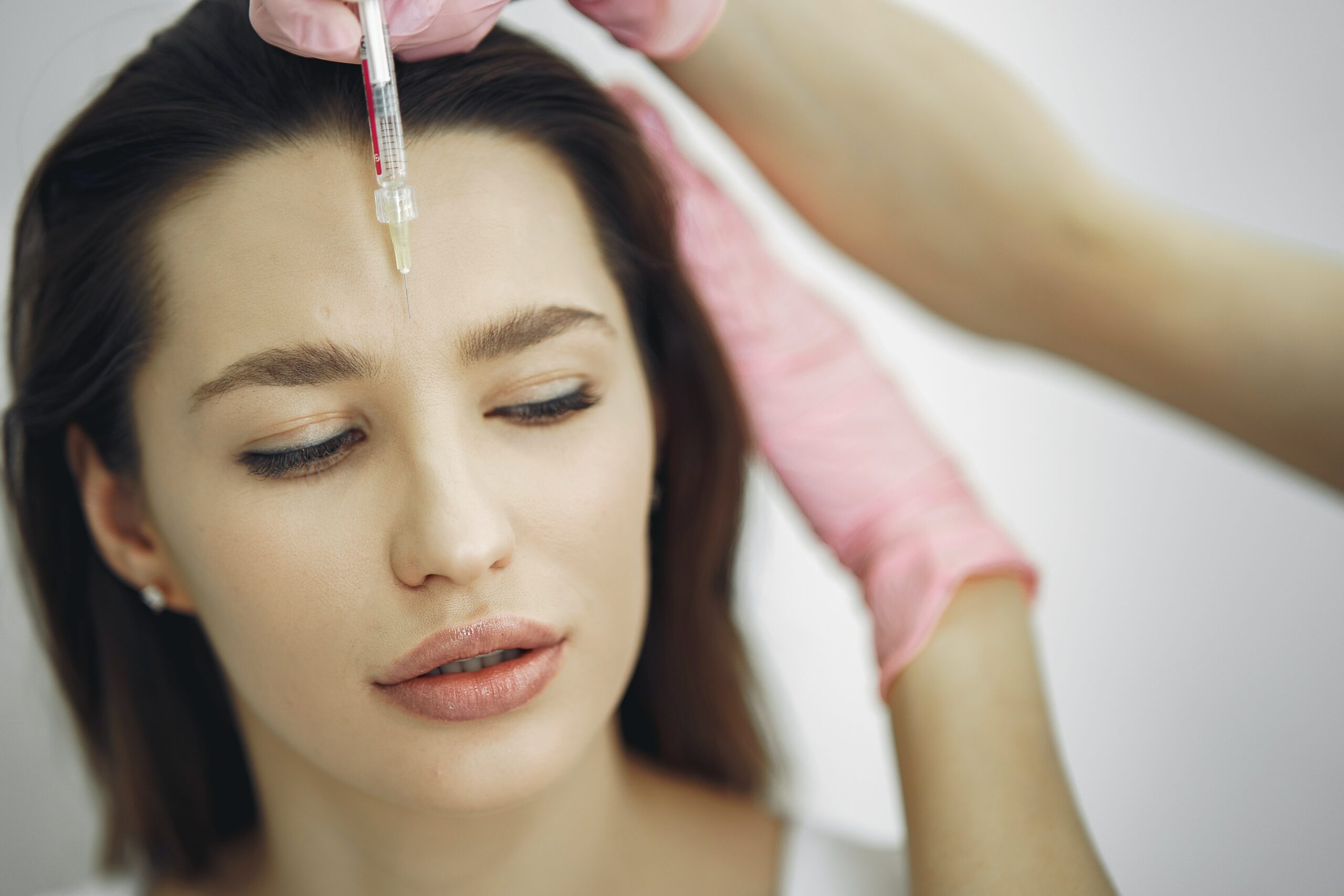
Vampire lift: risks and alternatives to PRP injections
Promoted by famous influencers, the vampire lift is an aesthetic-medicine treatment that gets people talking as much for its dramatic appearance as for its controversial nature. Better known by the acronym PRP, for « platelet-rich plasma« , it aims to regenerate the cells of the skin’s layers by reinjecting a patient’s own plasma, first separated from the rest of the blood cells. Although fairly widespread, this procedure is in fact illegal in France. Today we take stock of the supposed benefits and the risks of the vampire lift, and of how PRP injections work overall.
Contents
Vampire lift: what is it?
The vampire lift, or platelet-rich plasma (PRP) injection, is a natural cosmetic treatment that reuses the patient’s own blood to stimulate the renewal of skin cells. The aim is to isolate the plasma from the rest of the blood cells, in particular the white and red blood cells, through a centrifugation process, so as to harness its regenerative properties. This is what is known as an autologous treatment.
Plasma is indeed rich in platelets, the blood cells that help repair damaged muscle tissue and promote the growth of new cells. Isolating and reinjecting it therefore stimulates the skin’s stem cells and triggers a fresh synthesis of collagen and elastin, whose production declines with age.
Publicised abroad under the name « vampire facial » and popularised by certain celebrities, this technique is presented above all as a facial rejuvenation treatment. It should not be confused with true volumising fillers: PRP does not provide immediate volume but seeks to gradually improve the quality and radiance of the skin.
How do PRP injections in the face work?
PRP facial injections involve drawing blood plasma from a person’s body and then reinjecting it into an area of that same patient’s skin in order to smooth it.
Blood plasma, although made up mostly of water, also contains beneficial nutrients, mineral salts, hormones and proteins that promote better blood clotting, thereby stimulating the skin’s natural regeneration process. These active growth factors then stimulate the natural production of collagen, elastin and hyaluronic acid, on the same principle as PRP injections into the scalp.
PRP thus acts as a matrix that stimulates the natural production of collagen in order to soften wrinkles, making the skin firmer and brighter and ultimately restoring a youthful, radiant appearance. The facial skin is in this way lastingly hydrated, looking less dull and tired.
Body areas concerned
PRP treatment can be carried out on various areas of skin (most often the face) through superficial injections of plasma-cells administered into the areas the patient wishes to treat in order to rejuvenate their appearance. The fresh synthesis of collagen and elastin makes it possible to act in particular on:
- the area around the eyes (under-eye bags, crow’s feet);
- pigmented under-eye circles, by stimulating blood circulation and increasing collagen production in the area concerned;
- wrinkles around the mouth (perioral);
- the slackened skin of the neck or décolleté;
- the hands.
The « facial PRP » method can also help reduce nasolabial folds, acne scars and other superficial scars thanks to the cell-regeneration mechanism.
PRP for under-eye circles and the eye area
PRP for under-eye circles is one of the most sought-after indications, because the very thin skin of the eye area is poorly suited to hyaluronic acid injections, which can leave a bluish cast there (the Tyndall effect). In theory, under-eye PRP injections aim to thicken and redensify this fragile area, firm the lower eyelid and stimulate the microcirculation to reduce pigmented under-eye circles. PRP for the eye area does not, however, correct an anatomical under-eye hollow, which calls for other solutions. To review all the options, you can read our feature on treating under-eye hollows with plastic surgery as well as our methods of eye rejuvenation. Bear in mind, however, that, as for the rest of the face, cosmetic PRP for the eye area remains banned in France.
A procedure banned in France
Despite the promises made for this new protocol, the French health authorities have banned platelet-rich plasma for cosmetic purposes under article L.1221-8 of the French public health code. As early as a January 2018 statement, the French national medicines agency (ANSM) had moreover pointed out that the use of PRP for cosmetic purposes was not authorised, as its efficacy had not been demonstrated. The practice of using, preparing or injecting blood or its components is indeed now very tightly regulated in France. The only thing now authorised is the injection of autologous PRP for therapeutic purposes, provided the following uses are strictly observed:
- the collection and the reinjection must be carried out in the strictest compliance with medical procedures, in particular in terms of hygiene;
- they must be performed during one and the same medical procedure, that is to say extemporaneously and at the patient’s bedside.
Barriers to its use that are still very significant
Beyond the purely legislative aspects, several other factors still keep PRP technology at a relatively experimental stage:
- the dosage: the concentration of platelets in the blood differs from one patient to another. The surgeon is therefore unable to define precisely the efficacy of the treatment and the extent of the improvement observed. The reaction of a patient’s cells to injections of their own plasma may be significant just as easily as weak, or even non-existent;
- a lack of concrete results: aesthetic-medicine specialists agree that there is still too little information and hindsight on this technique for the protocol to be rolled out widely. The scientific proof of genuine skin rejuvenation is in fact very difficult to measure, and it is moreover hard to anticipate the platelet concentration of the plasma that needs to be injected for it to be effective. The technique is therefore still very far from being standardised, and several more studies will be needed to be sure that this method is truly safe and effective;
- the contraindications are relatively numerous, with several types of patients unable to undergo it, in particular people with certain allergies, those suffering from a cancer, leukaemia or an autoimmune disease, or indeed people on corticosteroids or anticoagulants;
- the price, finally, is relatively high, with sessions billed at around €400, bearing in mind that several sessions are needed for a genuinely visible result.
A procedure often performed despite being illegal
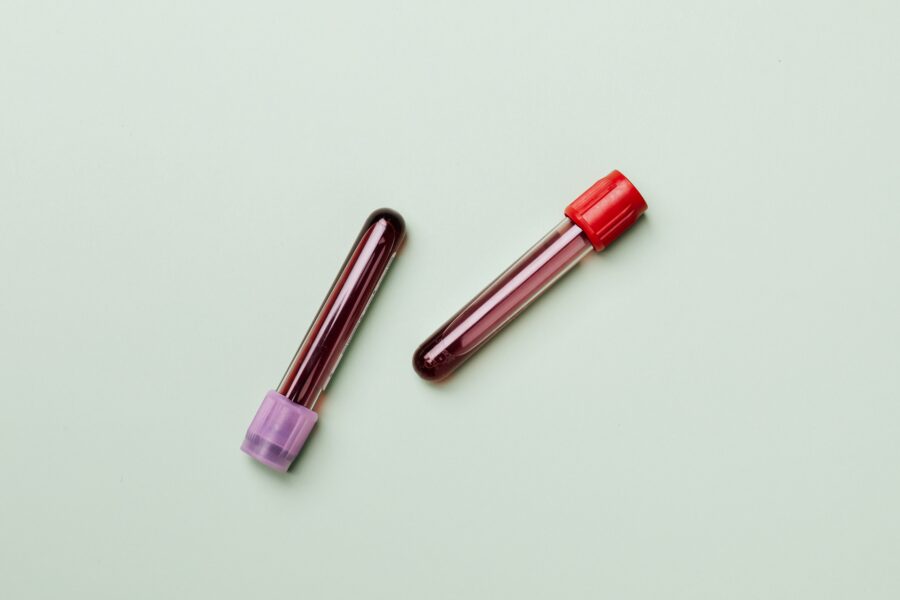
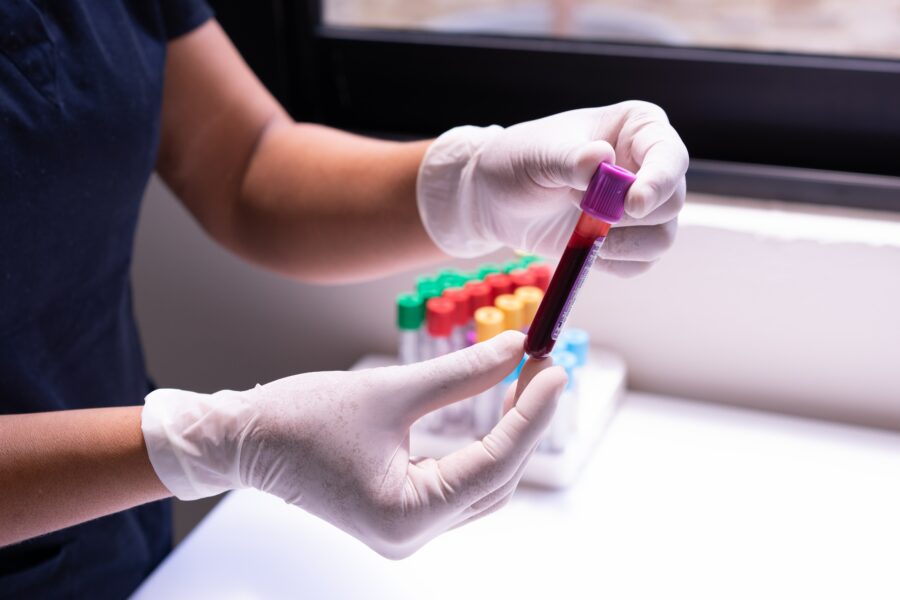
The vampire lift procedure involves the surgeon or their nurse taking a blood sample. Single-use syringes are used for the collection and the reinjection in order to maintain perfect hygiene conditions in a sterile environment. The sample generally contains 2 tubes of about 8 ml each, the equivalent of a standard sample taken at a testing laboratory.
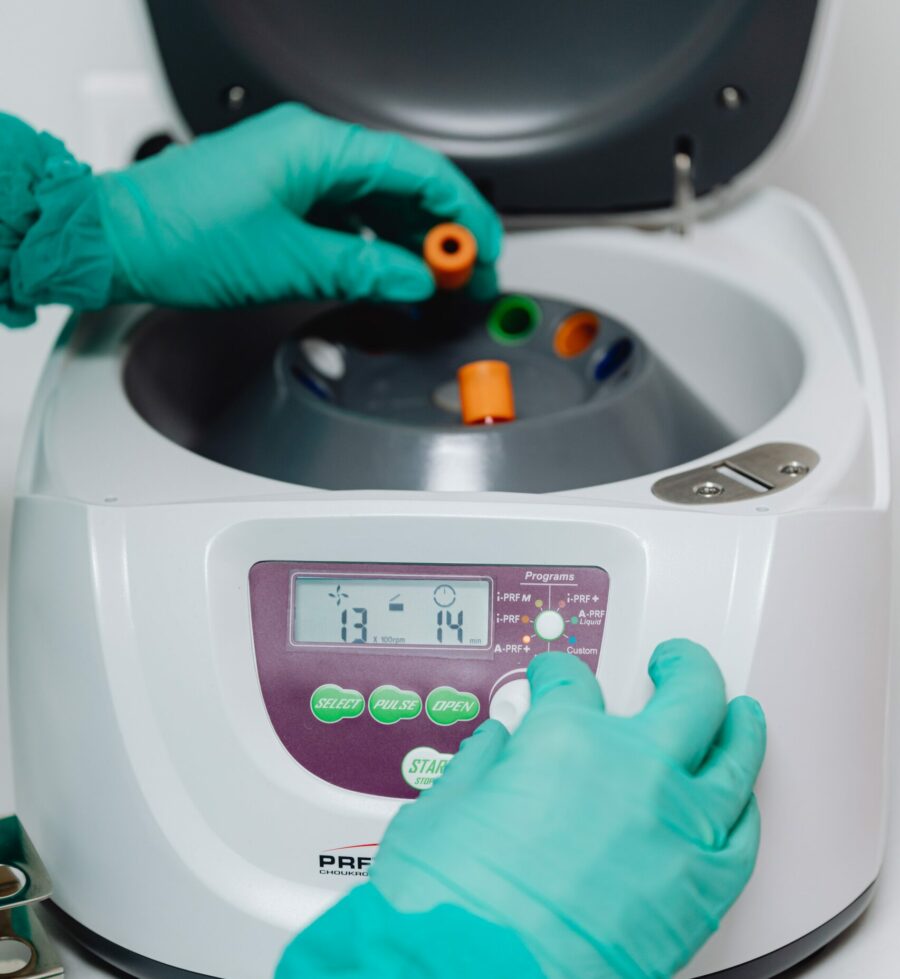
The tubes are then placed for several minutes (at least 5 minutes) inside a centrifuge, which separates the plasma from the other blood cells (white and red cells). The isolated plasma is then collected in a syringe that is fitted onto an injector gun.
After cleansing and disinfecting the areas to be treated, it can then be reinjected through very fine needles (mesotherapy-style) into the targeted areas, such as the cheeks, temples, under-eye circles, the jawline, the neck or the décolleté. To treat deeper wrinkles, the plasma is sometimes enriched with a special enzyme that promotes blood clotting (autologous thrombin) in order to obtain a thicker filling gel with a longer-lasting plumping effect.
In total, the session generally lasts between 1 hour and 1 hour 30, including 15 to 30 minutes of injection. The result is not immediately visible, as can be the case with hyaluronic acid injections, since a new cycle of skin-cell regeneration is set in motion.
It will therefore take 3 to 6 weeks to see the first effects, all the more so as slight swelling, redness and even small bruises will be noticeable in the first days following the procedure. Two to three sessions spaced one month apart may be necessary to obtain the desired result, with one to two maintenance sessions per year. Abroad, where the practice is authorised, practitioners generally estimate that the effects last between 12 and 18 months depending on the patient, which makes maintenance essential to keep the result.
The potential risks and side effects
While, in theory, the vampire lift technique may seem harmless because of its natural nature (drawing the patient’s own plasma), questions about its safety remain ever-present, hence its ban in France.
Implementing this protocol, although autologous, remains relatively delicate. Great care is indeed required when handling blood. Hygiene measures must therefore be scrupulously observed, especially when it comes to reinjecting blood, as the consequences can be serious: poor handling can, for example, cause an infection, an allergy, a vasovagal episode, or even respiratory and cardiovascular problems, particularly if too large a sample is taken.
In countries where cosmetic PRP is practised, the most commonly reported side effects fortunately remain mild and temporary: redness, swelling (edema), tenderness and small bruises at the injection sites, clearing up within a few days. It is above all the lack of proof of efficacy, more than the frequency of complications, that justifies the French ban.
The alternatives to the vampire lift
Various non-invasive aesthetic-medicine solutions, completely legal unlike facial PRP, make it possible to achieve facial rejuvenation or to prevent the effects of skin ageing, such as:
- botulinum toxin injections to prevent the contraction of the small facial muscles;
- hyaluronic acid injections, which help fill the hollow areas of the face through continuous hydration and the restoration of lost volume, as well as of the jawline;
- a mesotherapy or mesolift procedure, consisting of an injection of a cocktail of natural active ingredients (trace elements, minerals, hyaluronic acid, etc.) intended to rehydrate, retighten and firm the skin;
- a chemical peel for the face, which treats skin imperfections and smooths the skin through the natural exfoliation of the superficial layers of the skin to achieve skin regeneration;
- the HydraFacial treatment, akin to a deep skin cleanse combined with a cocktail of natural nutrients that helps tighten the pores and thoroughly purify the skin by removing all its small imperfections (wrinkles and fine lines, blackheads, brown spots, etc.);
- LED photobiomodulation treatment, which stimulates cells and promotes regeneration through exposure to the photons delivered by a « cold light ».
To specifically reduce under-eye circles and bring freshness back to the eyes, these authorised approaches can also be combined: we detail the suitable solutions in our article on eye rejuvenation methods.
Frequently asked questions
Why is facial PRP banned in France?+
PRP (platelet-rich plasma) injection for cosmetic purposes is not authorised in France. The health authorities, including the ANSM as early as a January 2018 statement, consider that its cosmetic efficacy has not been scientifically demonstrated, and they strictly regulate any handling of blood (article L.1221-8 of the French public health code). Only the injection of autologous PRP for therapeutic purposes, performed extemporaneously during a single procedure, remains authorised.
Is facial PRP really effective?+
This is precisely the point of debate. The principle (stimulating collagen production from the plasma’s growth factors) is appealing, but the clinical evidence is still considered insufficient in France: the platelet concentration varies from one patient to another and the results are hard to measure and reproduce. It is this lack of scientific hindsight, more than any complications, that justifies the cosmetic ban on French soil.
How much does a facial PRP session cost?+
As a guide, where the practice is authorised, a facial PRP session is generally billed at around €400, bearing in mind that two to three sessions are most often needed to achieve a visible result, then one to two maintenance sessions per year. Like any aesthetic-medicine procedure, it is never covered by the French national health insurance. In France, this price only applies to therapeutic indications, since cosmetic PRP is not offered.
How many PRP sessions are needed and how long until you see results?+
The result is not immediate, unlike with hyaluronic acid: the plasma triggers a new cycle of cell regeneration whose first effects appear only after 3 to 6 weeks. Two to three sessions spaced about one month apart are usually needed, followed by regular maintenance. In countries where the technique is practised, the effects are estimated to last between 12 and 18 months depending on the patient.
Is PRP effective against under-eye circles?+
The eye area is one of the most sought-after indications for PRP, because the skin there is too thin for hyaluronic acid (risk of a bluish cast). PRP for under-eye circles aims to redensify this fragile area and stimulate the microcirculation to reduce pigmented under-eye circles; it does not, however, act on an anatomical under-eye hollow. In France, this use remains banned for cosmetic purposes: other authorised solutions exist for treating under-eye hollows.
What are the side effects and risks of facial PRP?+
Where it is practised, the reported side effects are most often mild and temporary: redness, swelling, tenderness and small bruises at the injection sites, clearing up within a few days. Any handling of blood nonetheless calls for rigorous hygiene conditions, as poor practice can lead to an infection, an allergy or a vasovagal episode. The contraindications (allergies, cancer, leukaemia, autoimmune disease, anticoagulants, corticosteroids, pregnancy) are moreover numerous.
What are the legal alternatives to the vampire lift in France?+
Several authorised treatments can rejuvenate the face: hyaluronic acid injections to restore volume, botulinum toxin injections on expression lines, mesotherapy (mesolift) to rehydrate the skin, a chemical peel for the face or the HydraFacial treatment. A consultation makes it possible to determine the solution best suited to your skin.
Book an appointment
If you are considering a procedure, book an appointment in just a few clicks: our surgeons will answer all your questions and guide you toward a tailored, personalised solution.
Book on Doctolib